What Is The Green Dot On Snapchat Explained Simply
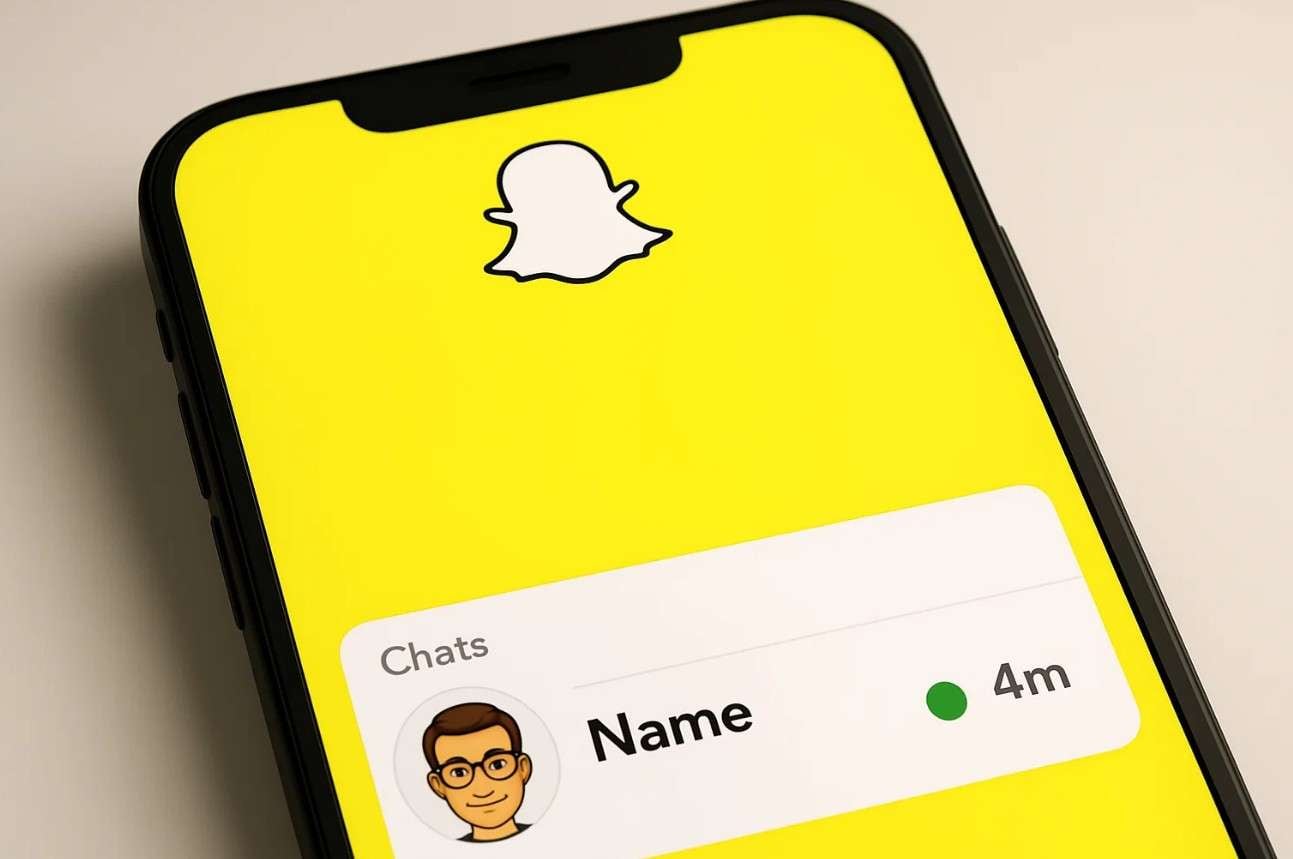
The green dot on Snapchat has become one of the app’s most debated yet misunderstood features, sparking curiosity and confusion among millions of users worldwide. Positioned near chat conversations, this small but vivid indicator flashes or stays visible to signal when someone is actively engaged with the platform, turning casual scrolling into a real-time guessing game. For many, the green dot triggers an instinctive urge to respond immediately, whether out of fear of missing a message or the thrill of catching someone mid-session.
Introduced as part of Snapchat’s evolving communication tools, the green dot has undergone subtle refinements since its debut, adapting to changes in user behavior and app functionality. Yet, despite its prominence, misconceptions persist—some users assume it means a message has been sent or read, while others dismiss it as a mere technical glitch. Behind its simple design lies a complex interplay of server tracking, device settings, and algorithmic decisions that determine its appearance and disappearance, often leaving users questioning whether they’re interpreting it correctly.
The Green Dot on Snapchat: Real-Time Activity Indicator and User Behavior Dynamics

Snapchat’s green dot is a subtle yet powerful visual cue embedded within the app’s interface, signaling real-time activity of other users. Positioned adjacent to usernames in chat conversations, the green dot appears as a small, illuminated circle—typically located to the right of the contact’s profile icon or username in the chat list. This indicator serves as a dynamic status update, reflecting whether the recipient is actively engaged with the app, thereby influencing user interactions, communication strategies, and even emotional responses. From triggering curiosity among new users to instilling a sense of urgency in conversations, the green dot reshapes how individuals perceive and respond to Snapchat interactions. Introduced in 2016 as part of Snapchat’s evolving suite of status indicators, the feature underwent minor refinements in 2018 and 2021 to align with updates to the app’s privacy controls and notification system. Misconceptions initially abounded; many users mistakenly believed the green dot confirmed message delivery or indicated when a friend was "online" in a traditional sense (like on Facebook Messenger). Others assumed it was a bug or a glitch, especially when it flickered or disappeared unexpectedly. To clarify its function, Snapchat later integrated a tooltip or brief explanation when users long-pressed the green dot, though this was later phased out in favor of in-app tutorials.
User Experience and Psychological Impact of the Green Dot

The green dot’s appearance triggers immediate psychological responses, often tied to FOMO (Fear of Missing Out) and social validation. For instance, seeing a green dot next to a close friend’s name can prompt users to open the app impulsively, hoping to engage in a spontaneous conversation. Conversely, the absence of the dot may lead to hesitation or reduced urgency in sending messages. Studies on digital communication suggest that real-time indicators like the green dot exploit intermittent reinforcement schedules, where unpredictable rewards (e.g., a reply) create a cycle of checking the app repeatedly. This behavior aligns with Snapchat’s design philosophy, which prioritizes ephemeral and urgent interactions over delayed responses. The emotional weight of the green dot varies by context: in romantic relationships, it may symbolize intimacy; among friends, it can foster playful teasing ("Why are you active now?"); and in professional settings, it might influence perceived availability. Over time, users develop habitual patterns around the green dot, such as sending messages in bursts when the dot is visible or avoiding late-night chats if the dot disappears.
Technical Mechanics Behind the Green Dot’s Functionality
The green dot operates through a combination of client-side detection and server-side synchronization, leveraging Snapchat’s proprietary architecture. When a user opens the app, Snapchat’s backend servers initiate a ping-pong protocol—sending periodic signals to confirm activity. The green dot activates when the app remains in the foreground (visible on-screen) for at least 3–5 seconds, though this threshold can vary based on device performance and network conditions. In contrast, if the app is open but inactive (e.g., in the background or locked), the green dot may turn gray or disappear entirely, depending on the device’s battery optimization settings or Do Not Disturb mode. Snapchat’s algorithm also accounts for app refresh rates: on iOS, the green dot updates more frequently due to stricter background activity permissions, while Android devices may experience slight delays if battery saver modes are enabled. The feature integrates with Snapchat’s push notification system by suppressing redundant alerts—if a user is actively engaged (green dot visible), new messages may not trigger a sound or banner until the app is closed.
Comparison of Snapchat’s Green Dot with Other Status Indicators
Snapchat employs multiple visual cues to convey user activity, each serving distinct purposes. Below is a comparative analysis of the green dot against other key indicators:
Table of Contents
- The Green Dot on Snapchat: Real-Time Activity Indicator and User Behavior Dynamics
- User Experience and Psychological Impact of the Green Dot
- Technical Mechanics Behind the Green Dot’s Functionality
- Comparison of Snapchat’s Green Dot with Other Status Indicators
- Behavioral Patterns Across Snapchat Features
- Troubleshooting Unexpected Green Dot Behavior
- What the Green Dot Actually Means: Decoding Its Functionality
- Technical Definition and Core Functionality
- Real-Time Update Mechanism: How the Green Dot Reflects Activity
- Limitations and Inaccuracies in Green Dot Visibility
- Algorithm-Driven Visibility: When Snapchat Shows or Hides the Green Dot
- States of the Green Dot: A Comprehensive Breakdown
- Mastering the Green Dot: Strategic Use for Enhanced Communication and Engagement
- Interpreting the Green Dot Accurately: A Step-by-Step Guide for Users
- Optimizing Message Timing Using the Green Dot
- Ethical Manipulation of the Green Dot for Perceived Availability
- Business and Influencer Strategies for Green Dot-Driven Engagement
- Third-Party Tools Claiming to Track the Green Dot: Reliability and Risks
- Troubleshooting Erratic Green Dot Behavior: A Diagnostic Checklist
- Green Dot vs. Other Snapchat Status Indicators: A Comprehensive Comparison
- Distinguishing the Green Dot from the Blue Checkmark
- Green Dot vs. Gray "Seen" Notification: Read Receipts in Context
- Green Dot in Stories vs. Private Chats: Behavioral Dynamics
- Structural Comparison of Snapchat Status Indicators
| Indicator | Visual Appearance | Primary Function | User Impact | Technical Trigger |
|---|---|---|---|---|
| Green Dot | Solid green circle next to username. | Signals real-time app activity (foreground use). | Encourages immediate responses; creates urgency. | App open in foreground for ≥3 seconds. |
| Gray Dot | Dimmed gray circle. | Indicates app was recently active (background use). | Reduces pressure to respond; suggests lower availability. | App open in background or unlocked recently. |
| Blue Checkmark | Checkmark over username. | Confirms message delivery (not read receipt). | Provides reassurance but no activity context. | Message sent successfully to Snapchat servers. |
| "Seen" Notification | Double-checkmark icon. | Indicates recipient has viewed the message. | Prompts follow-up interactions; can feel intrusive. | Recipient opens the specific chat. |
| Story Views | Number or "X viewers" beneath story. | Shows how many people watched a story. | Drives content creation; validates social presence. | User swipes up on a story. |
The green dot stands out as the most temporal and dynamic indicator, unlike static markers like the blue checkmark. Its real-time nature distinguishes it from the gray dot, which reflects past activity, and from story views, which are retrospective. This differentiation ensures users can gauge immediate engagement rather than historical interaction patterns.
Behavioral Patterns Across Snapchat Features
The green dot’s function adapts across various sections of Snapchat, each with unique user behaviors:
- Chats: The green dot is most prominent here, influencing response times and conversation flow. For example, users may send a quick reply if the dot is visible, assuming the recipient is available. In group chats, the green dot’s presence can shift dynamics—some users may dominate conversations when multiple dots are active, while others feel pressured to participate immediately.
- Stories: While stories lack a green dot, the feature intersects with it indirectly. Users might check their green dot status before posting a story to gauge who is "live" and likely to engage. Conversely, they may avoid posting if few dots are visible, fearing low interaction.
- Discover Section: The green dot does not appear here, but its psychological effects spill over. Users might abandon browsing Discover to return to chats if they notice a green dot flashing, prioritizing social over media consumption.
- Snaps in Transit: When sending a Snap, the green dot’s absence can create anxiety—users may refresh the chat repeatedly until the recipient’s dot reappears, signaling they might reply soon. This behavior contrasts with platforms like Instagram, where "seen" indicators are less time-sensitive.
- Snapchat Streaks: The green dot plays a subtle role in streak maintenance. Users may time their chats to coincide with a friend’s active period (green dot visible) to ensure daily interactions, reinforcing the streak’s ephemeral pressure.
The green dot’s influence extends beyond chats, subtly shaping how users navigate the entire app ecosystem. Its absence in certain sections (e.g., Discover) highlights Snapchat’s intent to segment attention—prioritizing direct communication over passive content consumption.
Troubleshooting Unexpected Green Dot Behavior
Users often encounter anomalies with the green dot, such as premature disappearance or persistent flickering. Below are common scenarios and solutions:
- Green Dot Disappears Too Soon Possible Causes:
- Device battery optimization is enabled for Snapchat (iOS/Android).
- App was force-closed or crashed.
- Poor network connection interrupted activity tracking. Solutions:
- Disable battery optimization for Snapchat in device settings.
- Restart the app or device.
- Ensure stable Wi-Fi or mobile data.
- Green Dot Flickers or Glitches Possible Causes:
- Out
- Actively opening or interacting with the app.
- Maintaining an active session without necessarily sending or receiving snaps. Snapchat’s backend uses a combination of session tracking and network latency monitoring to determine when to display the green dot. The indicator appears when the sender’s device registers an active connection to Snapchat’s servers, which occurs under specific conditions:
- The app is in the foreground (visible on the screen).
- The device has a stable internet connection (Wi-Fi or mobile data).
- The sender’s account is not in a state of Do Not Disturb or Battery Saver Mode. Key Differentiator from Other Indicators:
- Blue Checkmark (Verified Accounts): A static symbol confirming account authenticity, unrelated to real-time activity.
- Gray "Seen" Notification: A one-time confirmation that a snap has been viewed, with no implication of ongoing activity.
- Green Dot: A temporary, dynamic indicator tied to the sender’s active session, disappearing when the app goes idle or loses connectivity.
- When a user opens Snapchat from a closed state (e.g., switching from another app), the green dot appears instantaneously if the device has an active internet connection.
- If the app was previously in the background, the dot may take 1–3 seconds to reappear, depending on server response time. 2. Foreground Activity:
- While the app is open and visible, the green dot remains solid green, confirming continuous activity.
- Swiping or interacting with snaps refreshes the dot’s timestamp, ensuring it reflects the most recent engagement. 3. Background Activity:
- If the user minimizes Snapchat but keeps it running (e.g., switching to another app), the green dot may flicker or dim after 5–10 seconds of inactivity.
- Snapchat’s algorithm interprets this as reduced engagement, gradually fading the dot to gray if no further interaction occurs. 4. Network Disruptions:
- Loss of internet connectivity (e.g., switching from Wi-Fi to mobile data or entering an area with poor signal) causes the green dot to disappear immediately.
- Upon reconnecting, the dot reappears only if the app is reopened or actively used. 5. Device Sleep or Lock Screen:
- If the sender locks their device or puts it to sleep while Snapchat is open, the green dot vanishes within 10–15 seconds unless the app is in a background refresh state (enabled in device settings).
- Reopening the app restores the dot if the session remains active. 6. App Closure or Force Quit:
- Exiting Snapchat entirely (e.g., swiping it from the app switcher or force-quitting) removes the green dot instantaneously.
- The dot only reappears upon launching the app again. Flowchart: Green Dot Lifecycle
Leave a Comment
Comments are moderated before appearing. The data you submit is processed according to the Privacy Policy of Maremilano.