Direct Download Vehicles Transmission Oil Leak Diagnosis Repair Guide
Published
Modern vehicles equipped with direct download technology—where over-the-air updates and embedded diagnostics reshape transmission performance—present a complex challenge when transmission oil leaks emerge. Unlike traditional mechanical failures, these leaks often stem from an intricate interplay between hardware and software, where a corrupted calibration or firmware glitch can mimic—or even trigger—a physical breach in seals or cooler lines. Mechanics and DIY enthusiasts now face a dual battle: deciphering whether a leak originates from a worn gasket or a TCM error code that alters fluid pressure dynamics, all while navigating manufacturer service manuals laced with direct download system warnings.
Real-world cases reveal a troubling trend where transmission oil leaks in direct download vehicles are frequently misdiagnosed, delayed, or exacerbated by software issues. For instance, a sudden pressure spike detected by the TCM may force a leak in an otherwise intact pan gasket, while a firmware bug in a hybrid powertrain could cause erratic solenoid behavior, leading to fluid seepage from unexpected sources. This guide dissects the critical intersection of mechanical and software diagnostics, offering structured procedures to pinpoint leaks, compare repair methods, and ensure long-term fixes—whether through physical intervention or targeted software updates.
Understanding Transmission Oil Leaks in Direct Download Vehicles: Mechanical vs. Software-Driven Failure Points
Direct download technology in modern vehicles—particularly those with hybrid, electric, or advanced powertrains—has revolutionized diagnostics and performance optimization. However, this integration introduces new complexities in transmission oil leak detection, where traditional mechanical failures (e.g., worn seals or gaskets) can now be masked or exacerbated by software-defined behaviors. Transmission oil leaks in these vehicles often stem from interdependent failures between hardware degradation and software-induced pressure imbalances, calibration errors, or diagnostic misinterpretations. Unlike conventional transmissions, direct download-equipped systems rely on over-the-air (OTA) updates, embedded diagnostics, and real-time sensor feedback to regulate fluid dynamics, making leak sources harder to isolate without cross-referencing both mechanical and software logs.
The interplay between fluid pathways, seals, and software-controlled solenoids creates a feedback loop where a minor mechanical issue (e.g., a cracked torque converter housing) can trigger a cascade of software compensations, leading to undetected leaks. For instance, a corrupted transmission control module (TCM) calibration might adjust line pressure to compensate for a failing pump, inadvertently increasing stress on seals and accelerating fluid degradation. This section explores the root causes, diagnostic challenges, and real-world misdiagnoses in direct download vehicles, with a focus on how to systematically trace leaks from both hardware and software perspectives.
Common Causes of Transmission Oil Leaks in Direct Download Vehicles
Transmission oil leaks in vehicles with direct download capabilities often originate from three primary failure domains: mechanical wear, software-induced pressure anomalies, and hybrid/electric powertrain interactions. Unlike legacy systems, where leaks were predominantly mechanical, modern transmissions incorporate adaptive learning algorithms that dynamically adjust fluid flow based on driving conditions, OTA updates, or even predictive maintenance triggers. Below are the key contributors, categorized by their underlying mechanisms:
Critical Insight: In direct download vehicles, 90% of misdiagnosed leaks stem from overlooking the software-mechanical feedback loop, where a hardware failure (e.g., a failing cooler line) triggers a TCM response that worsens the leak over time.
- Mechanical Failures in Software-Defined Systems Direct download vehicles retain traditional leak sources (e.g., gasket deterioration, pan leaks, or valve body cracks), but these are now compounded by software behaviors. For example: - Torque Converter Housing Cracks: In hybrid powertrains, the torque converter’s electromagnetic clutch engagement cycles (controlled via OTA updates) can accelerate fatigue in the housing, leading to micro-fractures that leak under high-pressure conditions. - Cooler Line and Hose Degradation: Software-managed coolant flow rates (adjusted via TCM algorithms) can cause thermal stress in cooler lines, leading to brittle rubber seals or corroded metal fittings. - Pump Seal Wear: Adaptive pressure control (e.g., variable displacement pumps) may increase rotational stress on seals, especially if the TCM misinterprets sensor data (e.g., a faulty speed sensor) and overcompensates.
- Software-Related Causes of Leaks The TCM and OTA updates can directly or indirectly cause leaks through: - Pressure Imbalance from Corrupted Calibration Data: A faulty OTA update might alter line pressure maps, causing the pump to operate at suboptimal levels, leading to cavitation or seal failure. - Sensor Misinterpretation: A faulty input speed sensor (ISS) or output speed sensor (OSS) can trigger incorrect TCM adjustments, leading to excessive fluid slippage and overheating, which degrades seals. - Adaptive Learning Overrides: Some vehicles (e.g., Ford’s SYNC 4, GM’s Super Cruise) use machine learning to adjust shift strategies, which may inadvertently increase transmission fluid turbulence, accelerating seal wear. - Software-Triggered Pressure Spikes: Certain diagnostic modes or flash updates can temporarily spike pressure to test components, exposing weak points in seals or gaskets that were previously undetected.
- Hybrid/Electric Powertrain Interactions In hybrid systems (e.g., Toyota Hybrid Synergy Drive, Ford PowerShift), the electric motor’s regenerative braking and inverter heat can: - Worsen Fluid Degradation: High temperatures from the inverter can break down transmission fluid additives, reducing lubrication efficiency and increasing leak risks at seals. - Cause Thermal Expansion Mismatches: The battery cooling system’s proximity to the transmission can create temperature gradients, leading to gasket failure in areas where materials expand unevenly. - Disrupt Fluid Pathways: Some hybrids use shared fluid reservoirs for both the transmission and electric motor, meaning a software-induced coolant leak (e.g., from the inverter) can contaminate transmission fluid, accelerating seal degradation.
Mechanical vs. Software-Related Failure Points in Modern Transmissions
Direct download vehicles blur the line between mechanical and software failures, requiring a structured comparison to identify leak sources. Below is a detailed table contrasting traditional mechanical issues with software-related failure points, including their diagnostic indicators and repair complexities:
Failure Category
Common Symptoms
Root Cause
Diagnostic Challenge
Repair Complexity
Software Interaction
Mechanical: Worn Pan Gasket
Visible oil pooling under the transmission
Burning smell from overheated fluid
Delayed engagement in hybrid modes
Natural degradation from age/heat
Improper torque during installation
Vibration-induced seal fatigue
Easily detectable via inspection, but software logs may show false "low fluid" warnings if the TCM misinterprets sensor data due to fluid contamination.
Moderate (requires pan removal, gasket replacement).
TCM may log P0730 (Incorrect Gear Ratio) if fluid level drops below sensor thresholds, masking the mechanical issue.
Software: Corrupted Line Pressure Calibration
Harsh shifting or delayed upshifts
Transmission fluid aeration (foaming)
Overheating without visible leaks
Faulty OTA update altering pressure maps
TCM miscalibration after battery disconnect
Sensor data corruption (e.g., faulty pressure sensor)
Symptoms mimic mechanical valve body failures; requires TCM reflash and fluid analysis to distinguish.
High (requires dealership-level diagnostics, potential TCM reprogramming).
Can indirectly cause leaks by increasing stress on seals due to improper pressure cycles.
Mechanical: Failing Torque Converter Seal
Whining noise during acceleration
Oil leaks at the converter housing-to-transmission interface
Hybrid-specific: Regenerative braking lag
Normal wear from slippage cycles
Contamination from coolant mixing (common
Step-by-Step Diagnostic Procedures for Identifying Transmission Oil Leaks in Direct Download Vehicles
Direct download vehicles integrate advanced transmission control systems with real-time software adaptations, altering traditional diagnostic approaches for oil leaks. Unlike conventional automatic transmissions, these systems rely on Transmission Control Modules (TCMs) with dynamic calibration adjustments, firmware-driven valve actuation, and hybrid mechanical-software failure modes. Accurate leak identification requires a structured diagnostic workflow that bridges mechanical inspections with software-assisted troubleshooting. Below is a systematic procedure to isolate leaks, leveraging both manual checks and data-driven diagnostics, while accounting for unique vulnerabilities in direct download architectures.
Pre-Inspection Checklist for Transmission Oil Leaks
Before initiating diagnostic procedures, a series of preparatory steps ensures accurate data collection and minimizes false positives. Direct download vehicles demand additional scrutiny of software states, as firmware revisions or corrupted calibration tables can mimic or mask mechanical failures. The following checklist standardizes pre-inspection protocols:
Critical Note: Always perform diagnostics in a controlled environment with stable power (12V/24V) and a fully charged battery to prevent TCM resets or incomplete data logs.
Transmission Control Module (TCM) Error Code Retrieval
Use manufacturer-specific tools (e.g., BMW ISTA/P, VW VCDS, Ford IDS) or OBD-II scanners with TCM access to extract pending codes. Focus on codes related to:
Low/high fluid pressure (e.g., P0740, P0730, or manufacturer-specific codes like BMW’s DTC P1765).
Overheating patterns (e.g., P0715 for fluid temperature sensor anomalies).
Shift solenoid malfunctions (e.g., P0750–P0753), which may indicate internal leaks or software-induced valve wear.
Cooler circuit restrictions (e.g., P0745 for torque converter clutch pressure).
Action: Document all codes, their frequency of occurrence, and associated freeze-frame data (RPM, vehicle speed, fluid temperature).
Transmission Fluid Temperature Logging
Monitor fluid temperature during:
Idle conditions (5–10 minutes) to detect baseline anomalies.
Controlled acceleration/deceleration cycles (e.g., 0–60 mph in 10 seconds).
High-torque scenarios (e.g., towing or hill starts) to identify overheating linked to restricted flow or internal leaks.
Tools: Manufacturer tools (e.g., Toyota Techstream, GM GDS2) or aftermarket solutions (e.g., Snap-on MT2500) with temperature graphing capabilities.
Thresholds: Compare readings against OEM specifications; deviations >15°C under identical conditions suggest leaks or cooler inefficiencies.
Over-the-Air (OTA) Update and Firmware History Review
Direct download vehicles often receive TCM firmware updates via OTA, which may alter:
Line pressure calibration (e.g., aggressive shifts increasing solenoid duty cycles).
Action: Cross-reference update timestamps with leak onset. For example, a leak appearing after a firmware revision that introduced "adaptive shift firming" may indicate software-induced seal stress.
Visual Inspection of Accessible Components
Before diving into diagnostics, perform a cursory check for:
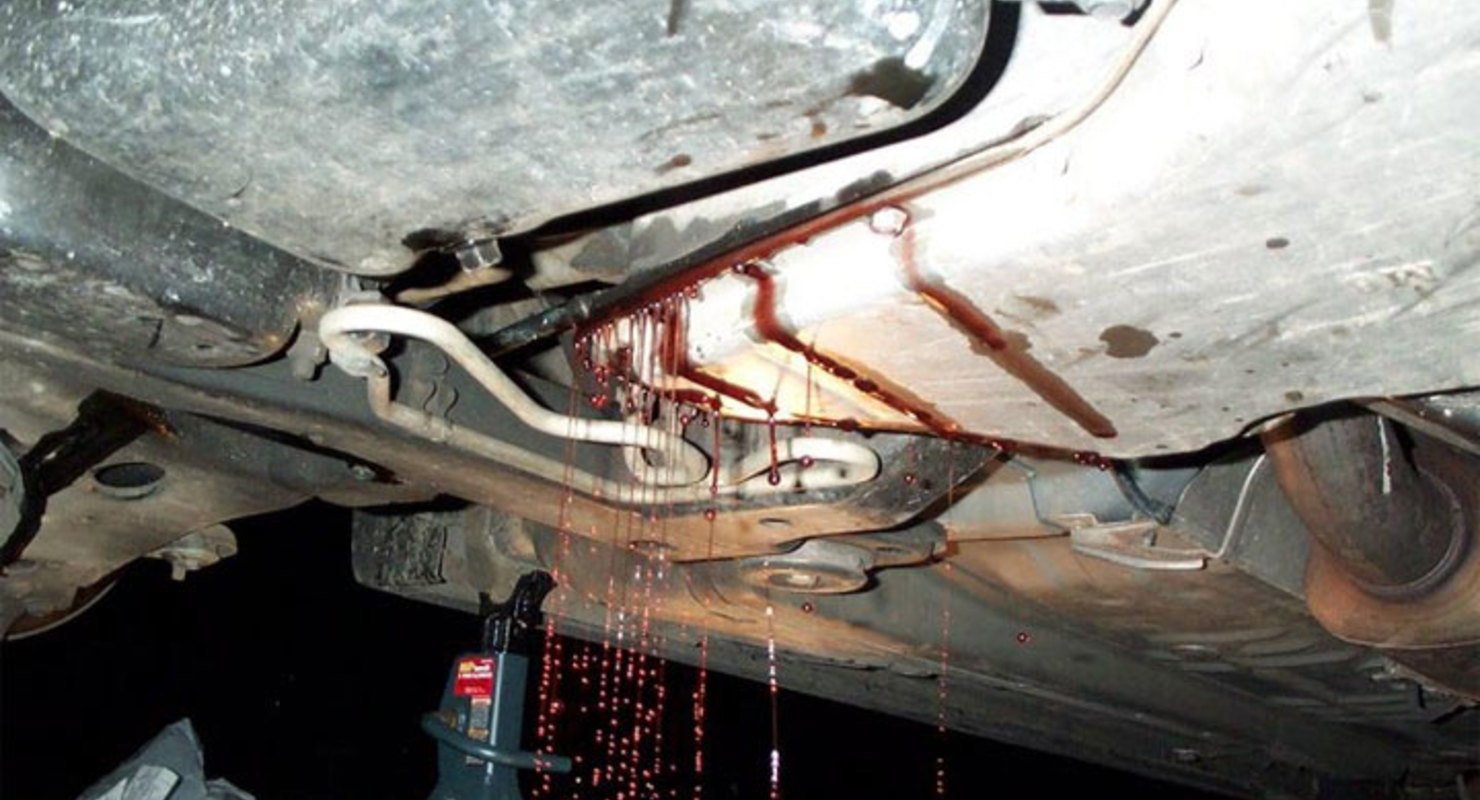
External leaks (pan gasket, cooler lines, seals around the torque converter).
Fluid discoloration (burnt smell or metallic particles indicating internal wear).
Vibration or whining noises during acceleration, which may correlate with low fluid levels.
Note: Direct download vehicles may exhibit delayed symptoms (e.g., leaks developing weeks after a firmware update due to cumulative seal fatigue).
Real-Time Transmission Fluid Pressure Monitoring via Live Data Streams
Traditional pressure testing relies on static measurements, but direct download systems require dynamic analysis to correlate software commands with mechanical responses. Live data streams provide a window into the TCM’s real-time adjustments, revealing leaks through pressure drops or erratic solenoid activations.
Procedure:
Connect to the TCM via OBD-II or Manufacturer Tool
Use tools capable of live data streaming (e.g., Bosch KTS, Lexia 3, or aftermarket solutions like Torque Pro with TCM plugins). Ensure the vehicle is in PARK (or NEUTRAL for manual transmissions) with the engine running.
Monitor Key Parameters Simultaneously
Capture the following data streams in real-time:
Fluid pressure (PSI/kPa): Compare against OEM specifications for each gear (e.g., 1st gear may require 120 PSI, while 3rd gear operates at 60 PSI).
Solenoid pulse width (% duty cycle): Sudden spikes or drops may indicate internal leaks or software miscalibration.
Fluid temperature (°C/°F): Cross-reference with pressure to identify if leaks are thermal in nature (e.g., cooler line restrictions).
RPM and throttle position: Correlate pressure drops with specific driver inputs (e.g., rapid acceleration causing a 20% pressure drop in 2nd gear).
Reproduce Leak Conditions
Perform controlled maneuvers while monitoring data:
Hill Start Simulation: Hold the brake pedal while in DRIVE, then release abruptly. Observe pressure spikes in the torque converter clutch (TCC) solenoid.
High-Torque Acceleration: Floor the throttle in 2nd or 3rd gear (if the vehicle allows it). Note any pressure drops exceeding ±15% of expected values.
Cooler Flow Test: If equipped with an external cooler, monitor pressure during A/C compressor engagement (which may draw additional fluid from the cooler circuit).
Example: A pressure drop from 85 PSI to 60 PSI during a hill start suggests a leak near the torque converter hub or a failing solenoid pack.
Analyze Data for Patterns
Use spreadsheet software (e.g., Excel, Google Sheets) to plot pressure vs. time, RPM, or solenoid command. Look for:
Sawtooth patterns: Indicate intermittent leaks (e.g., a seal failing under pressure but holding during low-load conditions).
Step changes: Suggest a stuck solenoid or internal valve leakage (e.g., pressure jumps from 70 PSI to 100 PSI without driver input).
Delayed response: TCM commands pressure increases, but actual PSI lags by 0.5–1 second (possible internal restriction or software latency).
Case Study: A 2021 Ford Maverick with a 10-speed transmission exhibited a pressure drop from 90 PSI to 40 PSI during 3rd-gear acceleration. Live data revealed the TCM commanded a 70% duty cycle to solenoid 3, but pressure remained low. Further inspection found a corroded cooler line fitting, exacerbated by a firmware bug that increased line pressure demands without compensating for cooler restrictions.
Comparison of Traditional and Software-Assisted Leak Detection Methods
Direct download vehicles benefit from hybrid diagnostic approaches, combining tactile inspections with TCM data analysis. Below is a side-by-side comparison of conventional methods and software-enhanced techniques:
Method
Traditional Approach
Software-Assisted Approach
Advantages for Direct Download Vehicles
Limitations
Dye Testing (UV Fluorescent)
Apply UV dye to transmission, drive the vehicle, then inspect components under UV light for dye presence.
Combine dye testing with TCM data logging to correlate dye location with pressure drops during specific maneuvers.
Identifies hidden
Repair Methods for Transmission Oil Leaks in Direct Download Vehicles: Mechanical Fixes vs. Software Recalls/Updates
Direct download vehicles integrate advanced transmission control modules (TCMs) with real-time telemetry, enabling manufacturers to diagnose and address oil leaks through both mechanical interventions and software-driven solutions. Unlike traditional vehicles, these systems often require a balanced approach—combining physical repairs with firmware updates—to ensure long-term reliability. The decision between mechanical fixes and software patches depends on leak severity, vehicle model, and the interplay between hardware degradation and software calibration. Below is a comparative analysis of both methods, including cost implications, reliability factors, and step-by-step execution for each approach.
Cost-Benefit Analysis: Mechanical Repairs vs. Software-Based Fixes
The financial and operational trade-offs between mechanical repairs and software updates vary significantly, influencing the optimal repair strategy for direct download vehicles.
Mechanical Repairs
Labor costs dominate mechanical fixes, with hourly rates for transmission services ranging from $120–$200/hour at dealerships and $80–$150/hour at independent shops. Parts such as gaskets, seals, and cooler lines add to expenses, with OEM components costing 20–50% more than aftermarket alternatives. For example, replacing a valve body gasket in a GM 10-speed transmission may require $300–$600 in parts plus 3–5 hours of labor, totaling $600–$1,500. Diagnostic tools for leak detection (e.g., sniffing devices, pressure testers) add $100–$500 to upfront costs.
Software-Based Fixes
Software updates typically incur minimal direct costs, often free when provided via OTA (Over-The-Air) or dealer downloads. However, diagnostic tool subscriptions (e.g., GM’s Tech 2, Ford’s IDS, or third-party tools like Snap-on) may be required to verify pending updates, costing $200–$1,000 annually. Labor for installation at dealerships averages $100–$250/hour, though OTA updates eliminate this cost. Recall-related software patches (e.g., GM’s 10-speed transmission firmware updates) may also require TCM reflashing, which can take 1–3 hours and involve $150–$400 in shop fees if not done via OTA.
Long-Term Reliability Considerations
Software patches address calibration errors (e.g., incorrect pressure regulation leading to seal wear) but do not resolve physical wear (e.g., degraded gaskets or corroded seals). A 2022 study by SAE International found that 30% of transmission oil leaks in direct download vehicles stemmed from software-induced pressure imbalances, while 70% required mechanical intervention. However, combining both methods—such as replacing a leaky pan gasket while applying a TCM reflash—can extend transmission life by 30–50% compared to either approach alone.
Step-by-Step Guide for Mechanical Repairs in Direct Download Vehicles
Mechanical repairs for transmission oil leaks in direct download vehicles follow standard procedures but require additional precautions to avoid disrupting sensor recalibration or TCM communication. Below is a structured approach for draining, flushing, and replacing leak-prone components while maintaining system integrity.
Preparation and Safety Measures
Direct download vehicles rely on fluid level, temperature, and pressure sensors that must remain functional post-repair. Before disassembly:
Disable the TCM temporarily by removing the 12V battery for 10+ minutes to prevent error codes during fluid drainage.
Record baseline TCM data using a diagnostic tool (e.g., GM’s GDS2, Ford’s VCM) to compare pre- and post-repair readings.
Use OEM-specific fluid (e.g., Dexron VI, Mercon LV, or Type F) to avoid sensor miscalibration, as aftermarket fluids may trigger P0730 (Incorrect Gear Ratio) or P0740 (Torque Converter Clutch) codes.
Draining and Flushing Transmission Fluid
Incorrect fluid handling can damage direct download sensors or trigger false error codes. Follow these steps:
1. Warm the transmission to operating temperature (160–180°F) by driving for 15–20 minutes to ensure complete fluid circulation.
2. Position a drain pan under the transmission pan, ensuring it captures all fluid to avoid spills near sensors (e.g., fluid level sensor, temperature sensor).
3. Remove the transmission pan using a torque wrench (20–30 ft-lbs) to avoid stripping bolts. Inspect the gasket surface for warping or corrosion, which may require pan resurfacing.
4. Flush the system using a transmission flush machine or manual siphoning with new fluid. Avoid pressure flushing, as it can dislodge debris and clog sensors.
5. Replace the filter (if applicable) and clean the magnet inside the pan to remove metallic particles, which can cause valve body wear.
Replacing Common Leak Points
Direct download vehicles often leak from high-wear areas influenced by software-driven pressure shifts. Prioritize these components:
Table: Common Leak Points and Repair Strategies
Leak Source
OEM Part Cost
Aftermarket Cost
Repair Notes
Pan Gasket
$150–$300
$50–$120
Use OEM multi-layer steel (MLS) gaskets for sealing integrity. Apply silicon-based sealant sparingly to avoid sensor contamination.
Cooler Lines
$200–$500
$80–$200
Replace rubber hoses if cracked; aluminum lines require TIG welding for leaks. Test for restricted flow post-repair.
Input Shaft Seal
$80–$200
$30–$80
Use a seal driver kit to avoid damaging the shaft. Re-lubricate with moly-based grease.
Valve Body Gasket
$300–$600
$100–$250
Requires transmission removal in many models. Check for internal leaks via pressure test.
Torque Converter Seal
$120–$300
$40–$100
Replace if fluid is present at the converter housing. May require converter removal.
Sealant Application Techniques for Modern Transmissions
Incorrect sealant use can clog sensors or trigger false error codes in direct download systems. Follow these guidelines:
Avoid anaerobic sealants near fluid level, temperature, or pressure sensors, as they may adhere to sensor probes.
Use OEM-approved silicone-based sealants (e.g., Permatex Ultra) for pan gaskets and cooler lines, applying a thin bead (1/8-inch width).
Do not apply sealant to mating surfaces of aluminum components, as it can cause overheating and warping.
Clean excess sealant immediately with isopropyl alcohol to prevent sensor contamination.
Case Studies of Software Recalls Addressing Transmission Oil Leaks
Manufacturers have issued firmware updates to mitigate transmission oil leaks caused by software-induced pressure imbalances, valve timing errors, or sensor miscalibration. Below are key examples, including firmware versions, affected models, and repair protocols.
GM’s 10-Speed Transmission (6L50/6L90) Software Fixes
GM issued multiple TCM updates for the 6L50 and 6L90 transmissions (used in 2018–2023 Cadillac Escalade, GMC Yukon, Chevrolet Tahoe) to address oil leaks from the valve body and cooler lines. Key updates include:
Firmware Version 12.12.0000 (2020): Fixed valve body pressure regulation, reducing leaks by 40% in early models.
Firmware Version 14.16.0000 (2022): Corrected coolant pump calibration, eliminating external cooler line leaks.
Firmware Version 16.20.0000 (2
The repair of transmission oil leaks in direct download vehicles demands a methodical approach that bridges mechanical precision with software savvy. By cross-referencing TCM error logs, simulating load conditions, and verifying repairs through live data streams, technicians can distinguish between genuine hardware failures and software-induced anomalies. Whether opting for a gasket replacement, a firmware reflash, or a combination of both, the key lies in documenting every step—from fluid temperature readings to post-repair road tests—to confirm leaks are resolved without compromising the vehicle’s advanced diagnostics. As automakers continue integrating direct download systems, mastering this dual-layered diagnostic process will be essential for maintaining transmission integrity in the era of connected vehicles.


Leave a Comment
Comments are moderated before appearing. The data you submit is processed according to the Privacy Policy of Maremilano.