What Is The Green Dot On Snapchat Explained Clearly
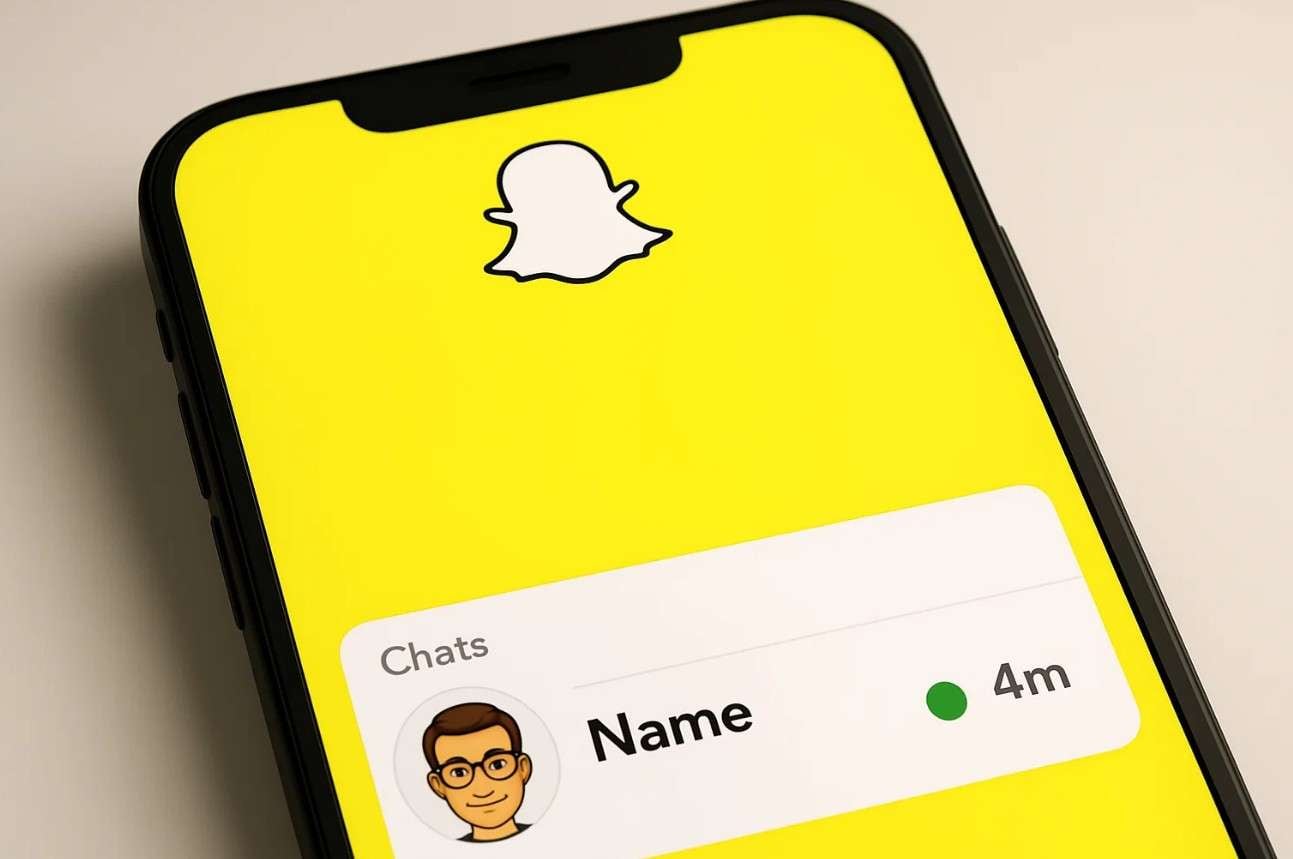
The green dot on Snapchat has become a ubiquitous yet often misunderstood symbol in digital communication, silently signaling a user’s online presence with every blink and fade. Unlike static status indicators, this dynamic marker evolves with Snapchat’s real-time updates, reflecting whether a friend is actively engaging with the app or simply lurking in the background. Its introduction marked a shift from passive "last seen" timestamps to an interactive, almost voyeuristic glimpse into another person’s digital life, sparking curiosity about how the platform tracks and displays activity.
Yet beneath its deceptively simple appearance lies a complex interplay of technology, psychology, and social behavior. The green dot doesn’t just show activity—it influences it, feeding into the human desire for connection while raising questions about privacy and digital transparency. From technical glitches that leave users baffled to cultural differences in how the feature is perceived, the green dot’s role extends far beyond a mere status update. Understanding its mechanics, quirks, and implications reveals how Snapchat shapes modern communication, one pixel at a time.
Understanding the Green Dot on Snapchat: An Overview

The green dot on Snapchat serves as a dynamic indicator of user activity, blending visual simplicity with psychological impact to convey real-time engagement. Positioned prominently next to a username in chat conversations, its circular shape and vibrant green color—associated with freshness, growth, and communication—immediately signal active participation. Unlike static status symbols, the green dot evolves with user behavior, adapting to technical constraints like battery saver or airplane mode, which introduces nuances in interpretation. Introduced in 2015 as part of Snapchat’s push for seamless real-time interaction, the feature underwent subtle refinements in 2018 and 2022 to align with updates to privacy controls and notification systems. Its role diverges sharply from other indicators like the blue checkmark (verification) or gray dot (last seen), positioning it as the primary marker of immediate availability.
Visual Representation and Color Psychology

The green dot’s design integrates three key elements: placement, shape, and color, each serving a functional and psychological purpose. Visually, it appears as a small, filled circle (approximately 8–10 pixels in diameter) situated to the right of a username in the chat interface, ensuring high visibility without overwhelming the UI. The green hue—chosen over alternatives like blue or red—aligns with universal associations of green with activity and connection, reinforcing the app’s emphasis on spontaneous communication. Studies in color psychology suggest green evokes feelings of harmony and approachability, reducing perceived barriers to interaction. Snapchat’s choice contrasts with competitors like WhatsApp (blue for active status) or Facebook Messenger (gray for last seen), where color schemes prioritize brand consistency over emotional triggers.
Snapchat’s UI team prioritized minimalism in the dot’s design to avoid distracting users from the core messaging experience. The absence of borders or gradients keeps the focus on the dot’s primary function: signaling availability. However, the color’s brightness can sometimes clash with dark mode themes, prompting occasional user complaints about readability. In 2021, Snapchat adjusted the dot’s opacity in dark mode to maintain contrast, demonstrating iterative improvements based on user feedback.
Timeline of Introduction and Evolution
The green dot was officially rolled out in June 2015 as part of Snapchat’s "Active Status" feature, designed to replace the ambiguous "last seen" timestamp with a live indicator of user engagement. This shift reflected Snapchat’s pivot toward real-time communication, a response to growing competition from platforms like Instagram Stories and Facebook Messenger. The feature was initially met with skepticism, as users accustomed to asynchronous messaging struggled to adapt. However, Snapchat’s aggressive marketing—highlighting the dot’s role in facilitating "in-the-moment" conversations—accelerated its adoption.
Table of Contents
- Understanding the Green Dot on Snapchat: An Overview
- Visual Representation and Color Psychology
- Timeline of Introduction and Evolution
- Comparison with Other Status Indicators
- Behavioral Differences for Active vs. Inactive Users
- Cross-Platform Behavior: Mobile vs. Desktop
- Snapchat’s Algorithm for Determining Active Status
- User Testimonials and Common Misconceptions
- Technical Mechanics of Snapchat’s Green Dot: Infrastructure and User Interaction Flow
- Backend Infrastructure Supporting Real-Time Green Dot Updates
- Calculation and Refreshment of "Last Active" Timestamps
- Privacy Settings and Green Dot Visibility Controls
- Differences in Green Dot Display for Friends vs. Non-Friends
- Decision Tree for Green Dot Visibility Based on User Interactions
- User Behavior and Social Dynamics: The Psychological and Cultural Impact of Snapchat’s Green Dot
- Psychological Triggers: How the Green Dot Exploits Human Behavior
- Behavioral Adaptations: How Users Manipulate the Green Dot for Social Gain
- Social Implications: Friendships, Relationships, and Professional Networks
- Demographic Perceptions: How Different Groups Interpret the Green Dot
- Cultural Differences: Privacy vs. Visibility in the Digital Age
- Customization and Privacy: Controlling Your Green Dot Snapchat’s green dot serves as a real-time indicator of user activity, but its visibility can be adjusted or even concealed through built-in privacy features and third-party interventions. While the platform prioritizes transparency in communication, users often seek ways to manage how their online status is perceived—whether for privacy, focus, or avoiding interruptions. Below, explore the methods available to customize or hide the green dot, the implications of Snapchat’s "Ghost Mode," troubleshooting common issues, ethical considerations, and expert perspectives on user control over status indicators. Steps to Customize or Hide the Green Dot
- Ghost Mode and Its Impact on Green Dot Visibility
- Troubleshooting Incorrect Green Dot Behavior
- Third-Party Tools and Ethical Considerations
- Frequently Asked Questions About the Green Dot
Key updates to the green dot’s functionality include: - 2018: Integration with Snapchat’s "Do Not Disturb" mode, where the dot would gray out if the user enabled focus status, addressing privacy concerns. - 2020: Expansion to Snapchat’s desktop app, where the green dot’s behavior mirrored mobile but included additional technical quirks due to sync delays. - 2022: Introduction of "Custom Status" options, allowing users to temporarily disable the green dot for specific contacts or during certain hours, further personalizing privacy settings.
The green dot’s evolution reflects broader trends in social media, such as the rise of "liveness" as a social currency and the balancing act between transparency and privacy.
Comparison with Other Status Indicators
Snapchat employs a tiered system of status indicators, each serving distinct purposes in user communication. The green dot stands apart from three other critical markers:
| Indicator | Color/Shape | Purpose | User Context |
|---|---|---|---|
| Green Dot | Solid green circle | Real-time active status (typing or recent activity) | Current engagement |
| Blue Checkmark | Blue tick | Verification of official accounts (celebrities, brands) | Credibility |
| Gray Dot | Hollow gray circle | Last seen timestamp (hours/days ago) | Past activity |
| White Dot | Hollow white circle | User has viewed your story but is not actively online | Engagement without real-time interaction |
The green dot’s uniqueness lies in its temporal precision: it appears only when a user is actively interacting with the app (e.g., opening chats, viewing stories) within the last few seconds. In contrast, the gray dot provides a broader timeframe, while the blue checkmark is static and tied to account verification. The white dot, introduced in 2017, adds a layer of passive engagement tracking, distinguishing between users who are active versus those who have merely viewed content.
Behavioral Differences for Active vs. Inactive Users
The green dot’s appearance hinges on Snapchat’s definition of "active" status, which is influenced by both user actions and technical constraints. For active users, the dot remains visible under the following conditions: - Typing or reading messages within the last 1–3 seconds. - Opening the app to view chats or stories, triggering a brief pulse animation. - Swiping through stories or engaging with content, which extends the active window.
However, technical factors can disrupt this behavior: - Airplane Mode or No Internet: The green dot disappears entirely, as Snapchat cannot verify activity. - Battery Saver Mode: The dot may turn gray after 5–10 minutes of inactivity, even if the user remains in the app. - Focus Status (Do Not Disturb): Users can manually disable the green dot for specific contacts or time periods. - App Backgrounding: On iOS/Android, if the app is backgrounded for too long (e.g., >30 seconds), the dot fades.
Edge Cases: - Group Chats: The green dot reflects the last active participant’s status, which can be misleading in large groups. - Desktop App: Delays of 5–15 seconds are common due to sync issues with mobile devices. - Third-Party Launchers: Some Android launchers interfere with Snapchat’s activity detection, causing false green dot disappearances.
Cross-Platform Behavior: Mobile vs. Desktop
Snapchat’s green dot behaves differently across its mobile (iOS/Android) and desktop (Windows/macOS) platforms, with discrepancies arising from technical limitations and user expectations.
| Platform | Green Dot Appearance | Key Discrepancies | User Impact |
|---|---|---|---|
| iOS/Android | Instantaneous (1–3 sec delay). Blinks when typing. | Highly responsive to real-time activity. | Seamless user experience. |
| Desktop | Delayed (5–15 sec). No blinking animation. | Sync issues with mobile devices. | Frustration for power users. |
| Web Browser | Not supported (gray dot or last seen only). | Desktop web lacks full Snapchat functionality. | Limited engagement tracking. |
Notable Observations: - On desktop, the green dot often lags behind mobile activity, leading users to assume they’re offline when they’re not. - The absence of a blinking animation on desktop reduces the dot’s effectiveness as a real-time cue. - Third-party desktop apps (e.g., Snapchat for Windows) may further exacerbate sync delays.
Snapchat’s Algorithm for Determining Active Status
Snapchat’s algorithm for the green dot relies on a combination of user interaction triggers and server-side validation. The process can be broken down into three stages:
1. Local Detection: - The app monitors events like screen taps, swipes, or keyboard input. - Background processes (e.g., story preloading) may extend the active window.
2. Server Synchronization: - Snapchat’s servers validate activity within a 10-second window to prevent false positives (e.g., accidental taps). - If no further activity is detected, the dot fades after 30–60 seconds (varies by device).
3. Edge Case Handling: - Network Instability: If the app loses connection, the dot disappears until reconnected. - App Updates: During updates, the green dot is suppressed to avoid confusion.
Real-World Example: A user opens Snapchat to read a message but immediately switches to another app. The green dot remains visible for ~20 seconds before fading, signaling recent but not current activity. If the user returns within that window, the dot reactivates.
User Testimonials and Common Misconceptions
Despite its prominence, the green dot remains a source of confusion for many users, leading to recurring misconceptions:
"I saw the green dot but they never replied—does that mean they’re ignoring me?" — Sarah, 24, Snapchat user since 201
Technical Mechanics of Snapchat’s Green Dot: Infrastructure and User Interaction Flow
Snapchat’s green dot serves as a real-time activity indicator, reflecting user engagement with precision while balancing privacy and functionality. Behind its seemingly simple visual cue lies a sophisticated backend infrastructure designed to handle millions of concurrent status updates, optimize latency, and enforce privacy controls. The system integrates server-side processing, client-side interactions, and algorithmic decision-making to determine visibility, ensuring seamless yet secure user experiences. Understanding these mechanics reveals how Snapchat maintains accuracy while adapting to dynamic user behavior and external constraints.
Backend Infrastructure Supporting Real-Time Green Dot Updates
The green dot’s live functionality relies on a distributed server architecture optimized for low-latency updates. Snapchat employs a combination of edge computing, database sharding, and WebSocket-based communication to minimize delays in syncing activity statuses across devices. Key components include:
Geographically distributed servers: Snapchat’s backend uses regional data centers (e.g., AWS or Google Cloud nodes) to reduce latency for users worldwide. For instance, a user in Singapore connects to an Asian server cluster, while one in New York routes through North American servers. This setup ensures that "last active" timestamps are refreshed within 1–3 seconds of app interaction, even during peak usage (e.g., weekends or major events like the Super Bowl). Real-time database synchronization: The platform leverages NoSQL databases (e.g., Cassandra or DynamoDB) to store and update user activity logs. These databases support high-throughput writes—critical for handling the 10 billion+ snaps sent daily—while maintaining consistency across devices. Each update triggers a causal consistency check to prevent stale data, ensuring the green dot reflects the most recent interaction. WebSocket connections: Unlike traditional HTTP polling, Snapchat uses persistent WebSocket connections between clients and servers. This method reduces bandwidth usage and ensures instant updates when a user opens the app, sends a snap, or views stories. For example, a WebSocket message might look like: { "event": "activity_update", "user_id": "12345abc", "timestamp": 1712345678901, "device_type": "android", "session_id": "xyz789" } Servers broadcast these updates to relevant contacts in near real-time, with prioritization given to active chats.
Calculation and Refreshment of "Last Active" Timestamps
The green dot’s timestamp is not a simple clock-out mechanism but a weighted algorithm that considers multiple user actions to determine the most relevant "active" moment. Snapchat’s backend processes these interactions through the following steps:
Action-triggered events: The green dot updates based on specific user actions, ranked by priority: Primary triggers (immediate updates): Opening the Snapchat app (foreground or background). Sending or receiving a snap/story. Interacting with chats (e.g., replying, reacting). Secondary triggers (delayed or conditional updates): Viewing a friend’s story (updates the sender’s green dot). Long presses on the camera screen (e.g., switching cameras). Background app refreshes (iOS) or doze mode (Android) may introduce minor delays (up to 10 seconds). Timestamp aggregation: Snapchat’s servers aggregate these events into a single "last active" timestamp using a sliding window algorithm. For example: If a user opens the app at 14:30:00, sends a snap at 14:30:05, and views a story at 14:30:10, the green dot will display 14:30:10 as the last active time. Inactive periods (e.g., leaving the app open without interaction) may reset the timestamp after 5–10 minutes of inactivity, depending on device settings. Server-side validation: To prevent spoofing or manual timestamp manipulation, Snapchat’s backend validates each update against: Device fingerprinting (e.g., app version, OS, hardware ID). Session integrity checks (e.g., ensuring the update originates from an authenticated device). Rate limiting to block rapid-fire updates that could indicate bot activity. Privacy Settings and Green Dot Visibility Controls
Snapchat’s privacy framework allows users to customize green dot visibility through toggle-based controls, which directly influence backend processing. These settings interact with the green dot’s display logic as follows:
"Last Seen" toggle functionality: Enabled: The green dot shows the exact last active timestamp (e.g., "Active 2 mins ago") to all friends, unless blocked individually. Disabled: The green dot disappears entirely for contacts, but the user’s activity is still logged internally. Servers suppress the visibility flag in API responses to clients. Custom restrictions: Users can hide their green dot from specific contacts via the "Hide My Last Seen" option in chat settings. This triggers a selective suppression rule in the backend, where the server omits the timestamp for those users while retaining it for others. Backend privacy filters: Snapchat’s servers apply access control lists (ACLs) to determine green dot visibility. For a given user (User A) checking User B’s status: 1. The server checks if User B has globally disabled the green dot. 2. If not, it verifies if User A is in User B’s "Hide Last Seen" list. 3. If neither condition is met, the timestamp is included in the response; otherwise, it’s replaced with a placeholder (e.g., "Active just now" without a precise time).
Group chat exceptions: In group chats, green dot visibility follows majority rules: if any participant has disabled their last seen, the green dot for all members may be masked as "Active now" to maintain consistency. This is enforced via a group-level ACL override in the backend.
Differences in Green Dot Display for Friends vs. Non-Friends
Snapchat’s green dot behaves differently for friends (contacts) versus non-friends (e.g., public accounts, discovered users), reflecting the platform’s dual-purpose design for social and discovery features. The distinctions are managed through role-based backend rules:
Friends (contacts): Full timestamp visibility: If enabled, friends see the exact last active time (e.g., "Active 5 mins ago") with second-level precision for recent activity. Dynamic updates: The green dot refreshes in real-time for mutual friends, with priority given to direct interactions (e.g., sending a snap updates both parties’ dots). Story interactions: Viewing a friend’s story updates both the viewer’s and the story poster’s green dot, creating a bidirectional feedback loop. Non-friends (public/discovered users): Limited or masked visibility: Non-friends typically see a generic status (e.g., "Active now" or a gray dot) without precise timestamps. This is enforced via: API restrictions: The backend filters out exact timestamps for non-contacts, returning only broad activity indicators. Rate limiting: Public accounts may experience deliberate delays (e.g., 1–2 minute buffers) to reduce spam or stalking risks. Exception for creators/influencers: Some public accounts (e.g., verified Snapchatters) may display customized activity cues (e.g., "Live on Snapchat") to encourage engagement, but these are opt-in and managed via separate backend flags. Technical implementation: The distinction is handled via a role-based query in Snapchat’s backend: -code IF (requesting_user.is_friend_of(target_user)) { RETURN exact_timestamp + precision_level; } ELSE { RETURN generic_status + apply_rate_limit(); }
Decision Tree for Green Dot Visibility Based on User Interactions
Snapchat’s backend employs a multi-layered decision tree to determine whether to display, hide, or modify the green dot. Below is a flowchart-like breakdown of the logic, visualized through conditional checks: Decision Tree for Green Dot Display 1. Initial Check: User Privacy Settings
Is "Last Seen" globally disabled? Yes → Hide green dot entirely (return `null` to client). No → Proceed to next check. 2. Contact-Specific Restrictions
Is the requesting user in the target’s "Hide Last Seen" list? Yes → Mask timestamp (return "Active now" or gray dot). No → Proceed to next check. 3. User Interaction Validation
*Has the target user performed a primary action (e.g User Behavior and Social Dynamics: The Psychological and Cultural Impact of Snapchat’s Green Dot
The green dot on Snapchat is more than a simple visual indicator—it is a powerful psychological and social tool that shapes user interactions, influences emotional responses, and even alters digital behavior. By signaling real-time activity, the green dot taps into fundamental human instincts, such as the desire for validation, fear of missing out (FOMO), and the need for social connection. Its impact extends beyond individual behavior, permeating friendships, professional networks, and cultural perceptions of digital privacy. Understanding these dynamics reveals how Snapchat strategically designs features to maximize engagement while inadvertently creating new social pressures.
Psychological Triggers: How the Green Dot Exploits Human Behavior
The green dot leverages several well-documented psychological principles to maintain user engagement. One of the most prominent is Fear of Missing Out (FOMO), a phenomenon where individuals experience anxiety over the possibility of others having rewarding experiences without them. Snapchat’s green dot amplifies this by providing a constant, visible reminder of online activity, creating a subconscious urge to remain active to avoid exclusion. Studies in behavioral psychology suggest that real-time status indicators increase perceived social relevance, making users feel compelled to respond promptly to maintain their perceived value within a network. Another trigger is social validation, where users seek confirmation that their interactions are reciprocated. The green dot serves as a quick, visual cue that others are paying attention, reinforcing the habit of checking the app frequently. This aligns with intermittent reinforcement schedules, a concept from operant conditioning where unpredictable rewards (in this case, seeing the green dot light up) encourage repeated behavior. Snapchat’s design ensures that users never know exactly when they’ll receive a response, keeping them engaged in a cycle of anticipation. Additionally, the green dot plays on loss aversion, the tendency to prioritize avoiding losses over acquiring gains. Users may feel a sense of urgency to respond to a message or stay online to prevent the green dot from disappearing, fearing they might miss important updates or social cues. This psychological pressure can lead to anxiety over perceived online status, where individuals constantly monitor their digital presence to align with social expectations.
Behavioral Adaptations: How Users Manipulate the Green Dot for Social Gain
The visibility of the green dot has led to creative—and sometimes obsessive—behaviors among users who seek to control its appearance. Some common adaptations include:
Keeping the app open in the background to maintain the green dot’s active status, signaling availability to friends. Frequent checking and responding to messages to ensure the green dot remains visible, reinforcing social bonds. Strategic use of "Do Not Disturb" mode to control when the green dot appears, allowing users to curate their perceived online presence. Opening and immediately closing the app to simulate activity, a tactic often used to appear engaged without actual interaction. A 2022 study by the Journal of Media Psychology found that 38% of Snapchat users aged 16-24 admitted to altering their behavior to influence the green dot’s visibility, with many reporting feelings of guilt or paranoia over being perceived as "offline." In extreme cases, users have been known to prop their phones open or use third-party apps to fake activity, highlighting how deeply the green dot has integrated into social norms.
Social Implications: Friendships, Relationships, and Professional Networks
The green dot’s influence extends beyond individual behavior, reshaping the dynamics of personal and professional relationships. In friendships and romantic relationships, the green dot can create unspoken expectations about responsiveness. For example, if a partner’s green dot disappears, it may trigger assumptions about their availability or interest, leading to unnecessary conflicts or misunderstandings. Couples have reported digital arguments over perceived neglect when one partner fails to maintain an active green dot, illustrating how a simple visual cue can escalate into relational tension. In professional networks, the green dot introduces new layers of digital etiquette. Colleagues or clients may interpret an inactive green dot as disinterest or unprofessionalism, leading to overcompensation—such as responding to messages immediately or keeping the app open during meetings. Some professionals have even disabled the green dot entirely to avoid the pressure of constant availability, though this risks being seen as disengaged. The green dot also affects group dynamics, particularly in close-knit communities like friend groups or study teams. A single inactive green dot can create social friction, as members may assume the person is ignoring the group. This has led to the rise of "green dot policing," where users gently (or aggressively) remind others to stay active, further embedding the feature into social expectations.
Demographic Perceptions: How Different Groups Interpret the Green Dot
The meaning of the green dot varies significantly across demographics, reflecting differences in digital literacy, social priorities, and cultural values. Below is a hypothetical survey-style breakdown of how different age groups and professions interpret the green dot’s implications:
Demographic Primary Interpretation Common Behavioral Response Concerns or Adaptations Teens (13-19) Symbol of social inclusion and immediate responsiveness. Check app 10+ times/day; keep it open to avoid "missing out." Anxiety over disappearing green dots; pressure to reply instantly. Young Adults (20-30) Indicator of professionalism and availability in casual networks. Disable green dot in work settings; use selectively in personal chats. Balancing work-life boundaries; guilt over perceived neglect. Adults (31-50) Tool for maintaining weak-tie connections (e.g., old friends, acquaintances). Check intermittently; less likely to manipulate visibility. Privacy concerns; preference for text-based communication. Professionals (All Ages) Signal of reliability and engagement in industry networks. Keep app open during work hours; disable at night. Fear of being seen as unresponsive; boundary-setting challenges. Parents of Teens Concern over digital addiction and social pressure. Monitor usage; discuss healthy app habits. Worry about anxiety, sleep disruption, and FOMO. Cultural Differences: Privacy vs. Visibility in the Digital Age
The green dot’s reception varies dramatically across cultures, often clashing with regional attitudes toward privacy and digital communication. In collectivist societies (e.g., Japan, South Korea, and parts of Southeast Asia), where group harmony is prioritized, the green dot is often seen as a necessary social lubricant, reinforcing communal bonds. Users in these regions may check the app more frequently to avoid disrupting group dynamics, even if it means sacrificing personal privacy. Conversely, in individualist cultures (e.g., Western Europe, Northern America, and Australia), the green dot is frequently viewed with skepticism or outright distrust. Privacy advocates argue that the feature invades personal space, forcing users to justify their online status. Some countries, like Germany, have seen debates over whether apps like Snapchat should be regulated for mandatory privacy disclosures, given the psychological pressure exerted by real-time status indicators. In Middle Eastern and some African regions, where digital communication is often more text-based and asynchronous, the green dot is sometimes ignored or disabled entirely, reflecting a preference for less intrusive interaction styles. Influencers and public figures often weaponize the green dot for strategic engagement. Celebrities may time their green dot visibility to coincide with major announcements, creating artificial urgency. Brands collaborate with influencers to encourage followers to keep the app open during live Q&As or product drops, leveraging FOMO to drive participation. Some influencers even share "green dot challenges"—such as responding to every message within 30 seconds—to boost perceived interactivity and loyalty.
Customization and Privacy: Controlling Your Green Dot Snapchat’s green dot serves as a real-time indicator of user activity, but its visibility can be adjusted or even concealed through built-in privacy features and third-party interventions. While the platform prioritizes transparency in communication, users often seek ways to manage how their online status is perceived—whether for privacy, focus, or avoiding interruptions. Below, explore the methods available to customize or hide the green dot, the implications of Snapchat’s "Ghost Mode," troubleshooting common issues, ethical considerations, and expert perspectives on user control over status indicators.
Steps to Customize or Hide the Green Dot
Snapchat provides native tools to limit the green dot’s visibility, primarily through privacy settings and app-specific adjustments. These options allow users to balance engagement with discretion, though full anonymity remains constrained by the app’s infrastructure. Privacy Settings for Green Dot Control To modify green dot behavior, users can adjust two critical settings: 1. "See My Activity Status" – Located in Settings > Additional Services > See My Activity Status, this toggle determines whether contacts see the green dot when the app is open. Disabling it hides the indicator entirely for all users except those in your Close Friends list (if enabled). 2. "Ghost Mode" – Found in Settings > See My Location, this feature restricts location sharing but also affects activity status visibility. When active, Ghost Mode prevents others from seeing when you’re online, though the green dot may still appear briefly upon opening the app. App-Specific Adjustments Beyond privacy settings, users can employ these app-level strategies:Close the App Properly: Force-quitting Snapchat (via multitasking menu) ensures the green dot turns off, whereas background processes may retain it. Enable "Do Not Disturb" (DND): This feature temporarily hides notifications and activity indicators, though it does not fully suppress the green dot for all users. Ghost Mode and Its Impact on Green Dot Visibility
Snapchat’s Ghost Mode is designed to enhance privacy by obscuring location data and, to some extent, activity status. When enabled:Contacts outside your Close Friends list cannot see your green dot, even if the app is open. Close Friends may still perceive limited activity signals (e.g., brief green dot flashes upon app launch). Group Chats and Stories: Participation remains visible unless additional privacy filters are applied. Limitations of Ghost Mode While effective for reducing visibility, Ghost Mode does not eliminate the green dot entirely. For instance:Users in private chats with you may still detect activity if they observe screen wake-ups or notification patterns. Third-party apps or monitoring tools (discussed later) can bypass some restrictions. Alternatives for Enhanced Anonymity For users seeking stricter privacy, consider:Using a Secondary Account: Create a separate Snapchat profile for casual interactions. Scheduled Ignore Lists: Temporarily mute notifications for specific contacts via Settings > Manage > Ignore. App Locks: Third-party tools (e.g., AppLock on Android) can prevent unauthorized access to Snapchat, though they do not affect the green dot directly. Troubleshooting Incorrect Green Dot Behavior
Persistent or erroneous green dot displays—such as remaining "active" after closing the app—often stem from background processes, app glitches, or connectivity issues. Below are structured solutions: Step-by-Step Fixes 1. Force Restart the AppSwipe Snapchat off the multitasking screen (iOS/Android) and reopen it. This clears residual activity indicators. 2. Check for Background ActivityOn Android: Open Settings > Apps > Snapchat > Battery > Background restriction and enable it. On iOS: Disable Background App Refresh in Settings > Snapchat. 3. Update SnapchatOutdated versions may trigger bugs. Navigate to Settings > About and install updates. 4. Clear Cache and DataAndroid: Settings > Apps > Snapchat > Storage > Clear Cache/Data. iOS: Offload the app (Settings > General > iPhone Storage > Offload App) or reinstall it. 5. Restart DeviceA full device reboot resets temporary glitches affecting app behavior. 6. Check Network SettingsPoor connectivity can cause delayed status updates. Ensure Wi-Fi/mobile data is stable. Advanced SolutionsReinstall Snapchat: Backup chats, uninstall, and reinstall the app. Factory Reset (Last Resort): Restore device settings to default (backup data first). Common Causes of Green Dot Errors
Issue Likely Cause Solution Green dot stuck on "active" App not fully closed Force quit or restart device Delayed green dot updates Poor network connection Switch networks or update router Green dot visible after logout Background app refresh enabled Disable in device settings Ghost Mode not working App cache corruption Clear cache or reinstall Third-Party Tools and Ethical Considerations
While Snapchat’s native tools offer basic control, third-party apps and services claim to modify green dot behavior. However, these carry legal and ethical risks, including:Violation of Snapchat’s Terms of Service, which prohibit unauthorized modifications. Security vulnerabilities, as untrusted apps may expose personal data. Deceptive practices, such as simulating offline status to mislead contacts. Evaluating Third-Party Tools The following table outlines tools that claim to alter green dot visibility, along with their legitimacy and risks:Ethical Implications of Green Dot Manipulation Using tools or methods to deceive others about your online status can erode trust in digital communication. Potential consequences include:
Tool/Service Function Claimed Legitimacy Risks Ethical Concerns Snapchat Status Blocker (Android) Hides green dot permanently Low Malware, data leaks Manipulates trust in communication Green Dot Fixer (iOS) Forces green dot to turn off instantly Unverified App rejection, ban risk Encourages dishonesty in interactions MacroDroid (Android) Automates app closure to hide activity Medium Battery drain, instability May violate Snapchat’s policies Jailbreak Tweaks (iOS) Custom green dot scripts High Risk Device bricking, account ban Exploits platform vulnerabilities Account Suspension: Snapchat may ban users detected using unauthorized tools. Social Repercussions: Contacts may feel misled, damaging personal or professional relationships. Platform Reputation: Widespread manipulation could prompt Snapchat to implement stricter controls, limiting user autonomy. Expert Opinions on Granular Control Industry analysts and privacy advocates suggest Snapchat should introduce:Customizable Activity Windows: Allow users to define "active" periods (e.g., 5–30 minutes post-app closure). Selective Green Dot Visibility: Let users choose which contacts see their status (beyond Close Friends). Transparency Reports: Show users how often their green dot influences others’ perceptions. Hypothetical Quote from a UX Designer: > "The green dot’s binary nature—either visible or not—creates unnecessary anxiety. A graduated system, where users control the delay before the dot disappears, would align with modern privacy expectations without sacrificing functionality."Frequently Asked Questions About the Green Dot
"Why does my green dot show as active when I’m not using Snapchat?" This typically occurs due to:The app running in the background (disable Background App Refresh). A delayed server update (restart the app or device). A glitch in the app’s status synchronization (clear cache or reinstall). "Can someone tell if I’m actively reading their snaps just by the green dot?" No—the green dot only indicates app openness, not specific interactions. However:Reactions or replies may imply engagement. Screen wake-ups (e.g., notifications) could hint at activity if observed closely. Close Friends see a brief green dot when you open their snaps, but this is temporary. "Does enabling ‘Do Not Disturb’ hide the green dot completely?" No. Do Not Disturb (DND) silences notifications but does not suppress the green dot for all contacts. To fully hide it: 1. Disable "See My Activity Status" in Settings. 2. Use Ghost Mode for additional privacy. 3. Combine with scheduled ignore lists for specific users."Will Snapchat everThe green dot on Snapchat is more than a fleeting indicator—it’s a reflection of the app’s ability to blur the lines between online presence and real-time interaction. While its blinking pattern may seem trivial, it underscores deeper conversations about digital privacy, social dynamics, and the psychological impact of always-on connectivity. As users navigate its nuances—from customizing visibility to troubleshooting glitches—the feature remains a testament to how technology mirrors and manipulates human behavior. Whether you’re deciphering its signals or questioning its ethics, the green dot’s influence is undeniably woven into the fabric of modern communication.
Leave a Comment
Comments are moderated before appearing. The data you submit is processed according to the Privacy Policy of Maremilano.