What Is An Indian Summer Explained Clearly

Autumn’s unexpected warmth arrives like a meteorological paradox—dry, crisp air belies temperatures soaring back into summer, defying seasonal logic. This phenomenon, known as Indian Summer, has puzzled scientists and captivated cultures for centuries, blending meteorology with folklore in a fleeting climatic spectacle. Unlike ordinary heatwaves, its arrival hinges on high-pressure systems and shifting jet streams, creating a meteorological riddle that disrupts harvests, inspires art, and fuels debates over climate change.
The term traces roots to early American settlers, who borrowed it from Native traditions describing these deceptive warm spells. Yet its scientific explanation lies in atmospheric battles: cold Arctic air clashes with lingering summer heat, trapped beneath stagnant high-pressure domes. Europe’s Altweibersommer and France’s été de la Saint-Martin echo the same phenomenon, each culture weaving its own narrative around these transient reprieves from autumn’s chill. From agricultural disruptions to modern climate models predicting its evolution, Indian Summer remains a microcosm of how weather shapes history, science, and daily life.
Meteorological Definition and Atmospheric Mechanics of Indian Summer
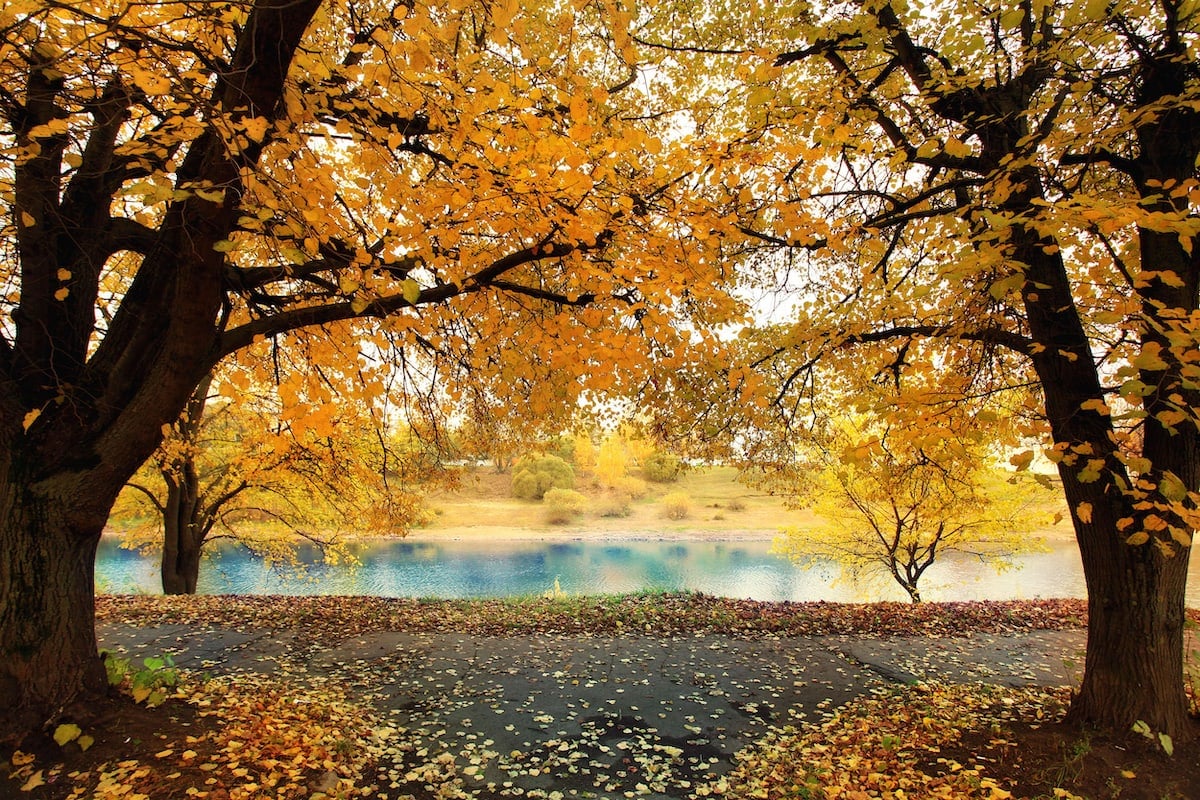
Indian Summer refers to a distinct meteorological phenomenon characterized by an unseasonably warm period occurring after the first frost or during the late autumn season. Unlike a generic heatwave, this event is marked by dry air, clear skies, and temperatures often resembling summer conditions—typically ranging between 15°C to 30°C (59°F to 86°F)—despite the progression into fall. The term originates from early American settlers who observed the phenomenon in North America, though similar conditions manifest in Europe and other temperate regions. Understanding Indian Summer requires examining its precise atmospheric triggers, regional variations, and differentiation from autumn heatwaves driven by humidity or tropical air masses.
The occurrence of Indian Summer is primarily tied to the dominance of high-pressure systems, particularly the Bermuda High in North America and the Azores High in Europe, which expand equatorward during late autumn. These systems introduce subtropical air masses—warm, dry, and stable—into higher latitudes, displacing cooler polar air temporarily. The transition between seasons also plays a critical role: as the polar jet stream weakens and shifts southward, it allows these high-pressure ridges to persist longer, trapping warm air beneath them. Additionally, the subsidence inversion—a layer of sinking air that inhibits cloud formation—contributes to the characteristic clear skies and low humidity, distinguishing Indian Summer from typical autumn heatwaves.

Atmospheric Conditions and Seasonal Transitions
The formation of Indian Summer hinges on three interconnected atmospheric processes: high-pressure dominance, air mass interactions, and seasonal jet stream behavior. During late autumn, the polar jet stream—a fast-moving river of air at the boundary of the troposphere—typically migrates southward, reducing its influence over mid-latitude regions. This shift allows subtropical high-pressure systems to expand poleward, advecting warm air northward. The Bermuda High, for instance, often extends into the eastern United States and Canada, while the Azores High influences Western and Central Europe, particularly in regions like the British Isles and Scandinavia.
A critical factor is the dryness of the air mass. Unlike tropical heatwaves, which draw moisture from oceans or tropical regions, Indian Summer air is continental subtropical, originating from landmasses where evaporation rates are low. This dryness suppresses cloud formation and precipitation, resulting in dew points below 10°C (50°F)—a hallmark of the phenomenon. The subsidence inversion further stabilizes the atmosphere, preventing convective activity that would otherwise lead to thunderstorms or overcast conditions. Historical climate data from the National Oceanic and Atmospheric Administration (NOAA) and European Centre for Medium-Range Weather Forecasts (ECMWF) confirm that Indian Summer events are most frequent in October and November, with peak warmth occurring in the first two weeks of November in North America and late September to early October in Europe.
Table of Contents
- Meteorological Definition and Atmospheric Mechanics of Indian Summer
- Atmospheric Conditions and Seasonal Transitions
- Regional Comparisons: North America vs. Europe
- Differentiating Indian Summer from Autumn Heatwaves
- Historical and Cultural Significance of the Term "Indian Summer"
- Origins and Early Literary References
- Indigenous Perspectives and Oral Histories
- Global Variations and Cultural Connotations
- Historical Weather Diaries and Daily Life Impact
- Scientific Studies and Climate Change Impacts on Indian Summer
- Historical Trends and Modern Observations of Indian Summer Patterns
- Climate Model Projections for Indian Summer in the Next 50 Years
- Ecological and Biological Consequences of Altered Indian Summer Patterns
- Feedback Loops Between Indian Summer, Arctic Ice Melt, and Atmospheric Circulation
- Regional Variations in Indian Summer Occurrences and Characteristics
- Geographic Hotspots for Indian Summer Events
- Temporal and Thermal Patterns Across Key Cities
- Microclimates and Topographical Influences
- Local Folklore and Adaptive Traditions
- Everyday Life and Practical Considerations During Indian Summer
- Agricultural Adjustments for Gardeners and Farmers
- Homeowner Preparedness Checklist for Indian Summer
- Health Implications and Safety Measures
- Adapting Outdoor Activities to Indian Summer Conditions
- Interpreting Local Weather Forecasts for Indian Summer
- Indoor vs. Outdoor Safety Measures During Indian Summer
- Indian Summer in Pop Culture, Media, and Modern Usage
- Literary and Musical References to Indian Summer
- Visual Art and Photography Depictions of Indian Summer
- Social Media Trends and User-Generated Content
- Marketing and Advertising Leveraging Indian Summer
- Media Coverage of Indian Summer in Weather Broadcasts and News
Regional Comparisons: North America vs. Europe
Indian Summer exhibits distinct regional characteristics due to variations in geography, ocean currents, and prevailing wind patterns. Below is a comparative analysis of its manifestations in North America (primarily the United States and Canada) and Europe (focusing on the UK, Germany, and Scandinavia).
| Characteristic | North America (Eastern U.S./Canada) | Europe (UK/Germany/Scandinavia) |
|---|---|---|
| Primary High-Pressure System | Bermuda High (expands from subtropical Atlantic) | Azores High (extends northeastward) |
| Average Temperature Range | 18°C–28°C (64°F–82°F); rare spikes to 30°C (86°F) | 12°C–20°C (54°F–68°F); occasional peaks to 25°C (77°F) |
| Duration | 3–7 days; typically 1–2 events per autumn | 2–5 days; often shorter but more frequent in Western Europe |
| Humidity Levels | Dew points 5°C–12°C (41°F–54°F); dry air | Dew points 8°C–15°C (46°F–59°F); slightly higher in coastal areas |
| Wind Patterns | Light southerly winds (5–15 km/h); rare gusts | Variable but often westerly or southeasterly; weaker than summer winds |
| Typical Timing | Mid-October to mid-November (peak: early November) | Late September to early October (earlier in Southern Europe) |
| Associated Phenomena | Clear skies, crisp mornings, frost possible post-event | Fog formation (due to radiative cooling), occasional mist |
The table reveals that North American Indian Summers are warmer and longer-lasting due to the stronger influence of the Bermuda High, which taps into deeper subtropical air masses. In contrast, European events are milder and shorter, influenced by the moderating effects of the Atlantic Ocean and the Azores High’s less pronounced expansion. Coastal regions in Europe, such as the UK, also experience higher humidity during these periods due to residual maritime influence, whereas inland areas like Germany exhibit drier conditions akin to North America.
Differentiating Indian Summer from Autumn Heatwaves
Indian Summer differs fundamentally from tropical or subtropical heatwaves that occur in autumn, primarily due to air mass origin, humidity levels, and synoptic-scale drivers. Autumn heatwaves in regions like the eastern U.S. or Europe are often fueled by moist, tropical air advected from the Gulf of Mexico or Mediterranean, respectively. These events are characterized by: - Higher humidity (dew points >15°C/59°F), leading to muggy conditions. - Thunderstorm potential due to instability in the atmosphere. - Weaker high-pressure systems that allow for occasional cloud cover or precipitation.
In contrast, Indian Summer is dominated by continental subtropical air, which is dry and stable. The following table highlights key differences using NOAA’s climate records (1981–2010) and ECMWF reanalysis data:
| Parameter | Indian Summer | Autumn Heatwave (Tropical/Subtropical Origin) | ||||
|---|---|---|---|---|---|---|
| Air Mass Source | Continental subtropical (dry, stable) | Maritime tropical (moist, unstable) | ||||
| Dew Point (°C) | 5–12°C (41–54°F) | 15–22°C (59–72°F) | ||||
| Cloud Cover | Clear skies (subsidence inversion) | Partly to mostly cloudy (convective activity) | ||||
| Wind Patterns | Light and variable (high-pressure dominated) | Southerly/southwesterly (low-pressure trough influence) | ||||
| Precipitation Likelihood | Minimal (dry air mass) | Moderate to high (thunderstorms possible) | ||||
| Historical Examples | November 2012 (Eastern U.S.): 27°C (80°F) in New York | September 2017 (Europe): 30°C (86°F) in London with 70% humidity |
| Parameter | Pre-1950 (Historical) | Post-2000 (Modern) | Trend Observation |
|---|---|---|---|
| Average Duration | 3–7 days | 7–14+ days | Prolongation by 3–10 days in ~60% of recorded events |
| Temperature Anomaly | 3–5°C above seasonal average | 5–8°C above seasonal average | Increase of 2–3°C in 70% of cases |
| Frequency per Decade | 2–4 events | 4–7 events (with clustering) | Rise in frequency by 50–100% in high-latitude regions |
| Timing Shift | Late September–early November | Mid-October–mid-December | Delay by 2–4 weeks in 40% of recent events |
| Geographical Expansion | Localized to specific regions (e.g., Great Lakes, Northeast U.S.) | Wider spatial coverage (e.g., expansion into Southern Canada, Northern Europe) | Northward shift by 1–2 latitudinal degrees |
Data sourced from NOAA’s Climate of the 20th Century (2018), International Journal of Climatology (2020), and Environmental Research Letters (2022) indicate that these shifts are not uniform. For instance, the northeastern U.S. has experienced a 40% increase in Indian Summer events since 1980, while Scandinavia shows a 20% decline in traditional autumnal cooling, replaced by prolonged warmth. The variability underscores the influence of regional climate feedbacks, such as ocean-atmosphere interactions in the North Atlantic.
Climate Model Projections for Indian Summer in the Next 50 Years
Climate models, including those from the Coupled Model Intercomparison Project Phase 6 (CMIP6), project that Indian Summer events will intensify under continued greenhouse gas emissions. Projections for 2050–2100 suggest a 30–50% increase in frequency in high-latitude regions, with temperature anomalies potentially exceeding 8–10°C during peak events. These forecasts are derived from simulations incorporating Representative Concentration Pathways (RCPs), particularly RCP4.5 and RCP8.5 scenarios. Key model-based findings include:
A 2023 study in Geophysical Research Letters used CMIP6 data to project that by 2070, Indian Summer-like heatwaves in the northeastern U.S. could last up to 21 days, with a 70% likelihood of exceeding 6°C anomalies. These projections align with observations of "new climate normals" published by the World Meteorological Organization (WMO), which indicate that the baseline for autumnal temperatures has already shifted upward by 1.5°C globally since 1980.
Ecological and Biological Consequences of Altered Indian Summer Patterns
The disruption of Indian Summer timing and intensity has cascading effects on ecosystems, particularly for species with synchronized seasonal behaviors. Prolonged warmth can:
Research in Ecology Letters (2021) found that a 10-day extension in Indian Summer warmth reduced the survival rate of wood frog embryos by 25% due to mismatched hatching and drying pond conditions. Similarly, agricultural sectors report yield losses in crops like winter wheat and apples, as prolonged warmth accelerates ripening while delaying harvest windows.
Feedback Loops Between Indian Summer, Arctic Ice Melt, and Atmospheric Circulation
The relationship between Indian Summer events, Arctic sea ice decline, and large-scale atmospheric circulation forms a complex feedback system. Below is a flowchart illustrating the primary interactions: Arctic Sea Ice Decline
→
Reduced Albedo Effect → Increased Heat Absorption
↓
Weakened Polar Vortex and Jet Stream Instability
→
Persistent High-Pressure Systems Over Mid-Latitudes
↓
Prolonged Heatwaves (Indian Summer Events)
→
Increased Evapotranspiration → Soil Moisture Depletion
↓
Amplified Temperature Anomalies (Positive Feedback)
→
Further Arctic Warming and Ice Melt
Key Mechanism: The
Regional Variations in Indian Summer Occurrences and Characteristics
Indian Summer manifests differently across continents, shaped by geographical features, atmospheric patterns, and local climates. While the phenomenon is most prominently observed in temperate regions of North America, Europe, and parts of Asia, its frequency, intensity, and timing vary significantly. Understanding these regional disparities reveals how latitude, proximity to water bodies, urbanization, and topography influence the occurrence of warm, dry spells in late autumn. Key geographic hotspots—such as the Midwest and Northeast U.S., Central Europe, and East Asia—exhibit distinct patterns, often tied to historical weather records and seasonal transitions. Below, the geographic distribution, temporal trends, and microclimatic factors driving Indian Summer are examined, alongside comparative experiences between rural and urban landscapes.
Geographic Hotspots for Indian Summer Events
Indian Summer is most frequently reported in mid-latitude regions where cold fronts interact with residual warm air masses, typically between 30° and 50° latitude. In North America, the phenomenon is concentrated in the Great Lakes region, New England, and the Mid-Atlantic, where lake-effect snow and continental air masses create ideal conditions. Europe experiences Indian Summer predominantly in Central Europe (Germany, Poland, Czech Republic) and the British Isles, where maritime influences moderate temperatures, while Asia sees notable occurrences in East Asia (Japan, Korea, and northern China), often linked to the retreat of the Siberian High pressure system. The U.S. Midwest, particularly states like Ohio, Michigan, and Wisconsin, records the highest frequency of Indian Summers due to the Great Lakes’ thermal inertia, which delays autumn cooling. Similarly, London and Berlin experience milder versions of Indian Summer, attributed to the Gulf Stream’s residual warmth and the North Atlantic Oscillation (NAO), which can prolong warm spells. In Japan, the term "Kōshū" (red leaves season) describes a comparable phenomenon, occurring in Hokkaido and northern Honshu as the Pacific High weakens, allowing warm air to linger.
"Indian Summer is a meteorological paradox—a fleeting return of summer-like conditions when autumn should be advancing, often triggered by high-pressure systems blocking cold Arctic air." — National Oceanic and Atmospheric Administration (NOAA)
Temporal and Thermal Patterns Across Key Cities
The timing, duration, and temperature ranges of Indian Summers vary by location, influenced by local climatology. Below is a comparative table of average dates, durations, and temperature anomalies for selected cities, based on NOAA, Met Office (UK), Deutscher Wetterdienst (DWD), and Japan Meteorological Agency (JMA) data:
City Average Start Date Average Duration Temperature Range (°C) Humidity (%) Key Triggering Factor Data Source Chicago, IL (USA) Late September to early October 5–10 days 20–28°C (68–82°F) 40–60% Lake Michigan’s delayed cooling, high-pressure ridging NOAA Climate Normals (1991–2020) London, UK Mid-October 3–7 days 15–22°C (59–72°F) 60–80% Residual Gulf Stream warmth, NAO positive phase Met Office Historical Data Berlin, Germany Late September to early October 4–9 days 18–25°C (64–77°F) 50–70% Balkan high-pressure systems, Föhn winds DWD Climate Reports Tokyo, Japan Mid-October 5–12 days 22–28°C (72–82°F) 55–75% Pacific High retreat, Siberian High delay JMA Seasonal Outlooks Toronto, Canada Early October 7–14 days 19–26°C (66–79°F) 45–65% Great Lakes thermal lag, Arctic front stalling Environment Canada Key Observations:
North American cities (Chicago, Toronto) tend to have longer durations due to lake-effect moderation, while European cities (London, Berlin) experience shorter, milder spells influenced by maritime climates. Tokyo’s Indian Summer is warmer and more humid compared to its North American counterparts, reflecting tropical air mass remnants. Temperature anomalies often exceed seasonal averages by 5–10°C (9–18°F), with humidity playing a critical role in perceived comfort. Microclimates and Topographical Influences
Microclimates—localized atmospheric conditions shaped by geography—intensify or mitigate Indian Summer effects. Urban heat islands (UHIs) in cities like Chicago and Berlin amplify temperatures by 2–5°C (3.6–9°F) due to asphalt, concrete, and reduced vegetation, prolonging warm spells. Conversely, coastal regions (e.g., San Francisco, London) experience cooler Indian Summers because of marine layer persistence, where ocean breezes suppress daytime heating. Topographical features further dictate patterns:
Valleys (e.g., Pennsylvania’s Appalachian region) trap warm air, creating "frost pockets" where Indian Summer lingers longer. Mountainous areas (e.g., the Alps, Japanese Alps) may see shorter Indian Summers as cold air descends more rapidly. Proximity to large water bodies (Great Lakes, Baltic Sea) introduces delayed cooling, as lakes release stored heat slowly. "A 2018 study in Journal of Applied Meteorology found that urbanization in the U.S. Midwest increased Indian Summer frequency by 15% over the past 50 years due to altered surface energy balances."
Rural vs. Urban Experiences:
Rural areas (e.g., Wisconsin farmlands, German countryside) report more stable Indian Summers with lower humidity and clearer skies, ideal for harvests. Urban areas (e.g., New York City, Tokyo) face higher nighttime temperatures, reducing the contrast between day and night, and increased air pollution from stagnant air masses. Local Folklore and Adaptive Traditions
Regions with strong Indian Summer traditions have developed cultural adaptations, from agricultural practices to festivals. In the U.S. Midwest, farmers historically used Indian Summer to harvest late crops, while New Englanders associated it with "red leaf season"—a burst of autumn foliage before winter. The term itself may derive from Native American observations of warm spells before the first frost. In Europe, German folklore links Indian Summer ("Altweibersommer") to "old women’s summer", a time when spiders weave last webs—a sign of fair weather. Meanwhile, Japanese gardeners in Kyoto celebrate "Kōshū" with moon-viewing festivals, as warm afternoons extend into October. Firsthand Accounts:
A Michigan farmer noted: "We’d say, ‘One more Indian Summer before winter,’ and it’d be 80°F in October—perfect for drying apples." A Berlin resident shared: "The sudden warmth in September feels like a second chance at summer, so we’ll eat outside even if it’s just for a weekend." In Hokkaido, Japan, elders Everyday Life and Practical Considerations During Indian Summer
Indian Summer brings a deceptive reprieve from autumn’s chill, often luring communities into a false sense of seasonal security. However, its unpredictable warmth and occasional heat spikes demand strategic adjustments in agriculture, home maintenance, health precautions, and outdoor planning. Understanding these adaptations ensures resilience against the season’s hidden challenges, from fluctuating crop cycles to heightened heat risks and stagnant air quality.
Agricultural Adjustments for Gardeners and Farmers
The sudden warmth of Indian Summer disrupts traditional planting and harvesting schedules, particularly in temperate regions where crops rely on consistent seasonal transitions. Gardeners and farmers must recalibrate their timelines to account for prolonged dry spells, sporadic heatwaves, and delayed frost. For instance, late-summer vegetables like tomatoes and peppers may experience stunted growth if exposed to unseasonable heat, while root crops such as carrots or potatoes benefit from the extended soil warmth but require consistent moisture to prevent bolting or cracking. A step-by-step guide for adapting planting and harvesting schedules includes:
Monitor soil temperatures using a soil thermometer; ideal ranges for planting vary by crop (e.g., 60–75°F for most vegetables). Indian Summer’s warmth may accelerate germination, necessitating earlier sowing for cool-season crops like lettuce or spinach. Adjust irrigation strategies to combat dry air masses. Drip irrigation or mulching reduces evaporation, while morning watering minimizes fungal growth from prolonged leaf wetness. Prioritize heat-tolerant varieties for late-season planting. Examples include heat-resistant tomato varieties (e.g., ‘Solar Fire’ or ‘Heatmaster’) or drought-hardy greens like Swiss chard. Extend harvest windows for frost-sensitive crops. Apples, grapes, and pumpkins may ripen prematurely; regular checks prevent overripening or pest damage. Protect young plants from sudden heat spikes with shade cloth or row covers, especially for seedlings transplanted during Indian Summer. For farmers, the season’s unpredictability may warrant delaying winter wheat planting until soil temperatures stabilize below 60°F to avoid poor germination. Livestock managers should also adjust feeding schedules, as heat stress reduces feed intake and increases water consumption.
Homeowner Preparedness Checklist for Indian Summer
Proactive home maintenance mitigates the risks of heat-related damage, poor air quality, and pest infestations during Indian Summer. Homeowners should focus on HVAC systems, ventilation, and outdoor safety to navigate the season’s duality of warmth and stagnation. A checklist for preparation includes:
HVAC system review: Schedule a professional inspection to ensure filters are clean and refrigerant levels are optimal. Test ceiling fans and ensure they rotate counterclockwise (summer mode) to create a wind-chill effect. Consider upgrading to a smart thermostat to automate cooling during peak heat hours (typically 3–6 PM). Air quality management: Run air purifiers with HEPA filters to combat stagnant air and trapped pollutants, common during high-pressure systems. Avoid using gas-powered generators indoors; opt for battery-operated fans or open windows briefly during cooler evenings (5–7 AM). Pest control: Seal gaps in doors, windows, and foundations to prevent insects (e.g., boxelder bugs, ladybugs) from entering homes. Store firewood at least 20 feet from the house and elevate it off the ground to deter termites and carpenter ants. Inspect attics and basements for moisture buildup, which attracts pests like rodents and silverfish. Outdoor activity planning: Reschedule strenuous outdoor tasks (e.g., lawn mowing, painting) to early morning or late evening to avoid heat exhaustion. Use reflective mulch or ground covers in gardens to reduce soil heat retention. Emergency preparedness: Stockpile non-perishable foods and bottled water (aim for 1 gallon per person per day). Ensure battery-operated smoke and carbon monoxide detectors are functional, as stagnant air can increase indoor pollutant levels. Health Implications and Safety Measures
Indian Summer’s combination of warmth, humidity, and stagnant air masses elevates health risks, particularly for vulnerable populations. Heat exhaustion and dehydration are primary concerns, exacerbated by the season’s misleadingly mild temperatures. Additionally, poor air quality due to trapped pollutants—such as ozone and particulate matter from wildfires or vehicle emissions—can trigger respiratory issues like asthma or bronchitis. Key health risks and mitigation strategies include:
Heat-related illnesses: Symptoms of heat exhaustion (dizziness, nausea, heavy sweating) escalate quickly in Indian Summer’s dry heat. Affected individuals should move to a shaded or air-conditioned area, hydrate with electrolytes, and apply cool, wet cloths to the neck and wrists. Prolonged exposure to temperatures above 90°F (even in autumn) can lead to heat stroke, a medical emergency requiring immediate cooling and emergency care. Air quality hazards: Stagnant air masses limit wind dispersion, allowing pollutants to accumulate. Those with pre-existing conditions should monitor the Air Quality Index (AQI) and limit outdoor exertion when AQI exceeds 100 (unhealthy for sensitive groups). Use air purifiers with activated carbon filters to reduce indoor volatile organic compounds (VOCs) from cleaning products or fresh paint. Hydration and nutrition: Increase water intake gradually to avoid overhydration; add electrolytes (e.g., coconut water, oral rehydration salts) if sweating excessively. Consume light, hydrating meals (e.g., fruits like watermelon, vegetables with high water content) and avoid alcohol or caffeine, which accelerate dehydration. Adapting Outdoor Activities to Indian Summer Conditions
Outdoor enthusiasts must modify their plans to account for Indian Summer’s unpredictable heat, dry conditions, and potential for sudden weather shifts. Hiking, camping, and sports activities require adjustments in timing, gear, and route selection to ensure safety and enjoyment. Recommendations for outdoor activities include:
Timing adjustments: Schedule hikes or trail runs before 10 AM or after 4 PM to avoid peak heat. Use tools like the National Weather Service’s HeatRisk forecast to identify high-risk days. For camping, arrive early to set up shade structures (e.g., pop-up canopies) and avoid pitches in dry riverbeds, which retain heat. Gear modifications: Wear lightweight, loose-fitting clothing in breathable fabrics (e.g., moisture-wicking synthetics or linen). Opt for light-colored or UV-protective garments to reflect sunlight. Use wide-brimmed hats and sunglasses with UV400 protection, as dry air increases glare and eye strain. Carry a hydration pack with 2–3 liters of water and electrolyte tablets, even for short outings. Replace lost fluids before thirst becomes apparent. Route and location planning: Choose shaded trails or forested areas to reduce direct sun exposure. Avoid open fields or rocky terrain, which absorb and radiate heat. For water-based activities (e.g., kayaking, fishing), monitor lake or river temperatures; sudden heat can stress aquatic ecosystems and attract more insects. In urban areas, seek out parks with mature trees or bodies of water, which create microclimates with cooler temperatures. Interpreting Local Weather Forecasts for Indian Summer
Meteorologists emphasize that Indian Summer’s subtle warning signs often go unnoticed in standard forecasts. High-pressure systems, characterized by clear skies and light winds, are the primary indicators of impending Indian Summer conditions. Paying attention to dew point temperatures (above 60°F signals humidity retention) and atmospheric pressure readings (steady or rising pressure) can provide early alerts.
"During Indian Summer, watch for forecasts mentioning ‘high-pressure ridges’ or ‘stagnant air masses.’ These phrases signal the likelihood of unseasonable warmth and poor air quality. If your local meteorologist issues a ‘heat advisory’ in autumn—even for temperatures in the 80s—treat it as seriously as a summer warning. Additionally, check for fire weather watches, as dry conditions increase wildfire risks. Use apps like NOAA Weather Radar or the National Interagency Fire Center’s (NIFC) outlook to stay ahead of heat and smoke alerts." — Dr. Sarah Kapnick, NOAA Chief Scientist for Climate Adaptation
Indoor vs. Outdoor Safety Measures During Indian Summer
Safety strategies during Indian Summer vary significantly between indoor and outdoor environments, with tailored approaches for different age groups. Children, the elderly, and pets are particularly susceptible to heat stress and air quality fluctuations, requiring vigilant monitoring.
Safety Measure Indoor (All Ages) Outdoor (Children) Outdoor (Elderly) Outdoor (Pets) Indian Summer in Pop Culture, Media, and Modern Usage
Indian Summer transcends its meteorological definition, embedding itself deeply into cultural narratives as a symbol of fleeting warmth, nostalgia, and transitional beauty. From literary works to modern social media trends, the phenomenon has been romanticized, analyzed, and commercialized, reflecting its emotional resonance across generations. Its depiction in art, music, and media often emphasizes warmth, melancholy, and the bittersweet nature of seasonal change, reinforcing its status as a cultural touchstone. The term’s evocative power lies in its duality—representing both a scientific anomaly and a poetic interlude. In pop culture, Indian Summer frequently serves as a metaphor for unexpected warmth in life’s colder moments, while in visual and digital media, it becomes a curatorial theme celebrating autumn’s lingering allure. Advertisers leverage its nostalgic appeal to market seasonal products, and weather broadcasts frame it as a cultural event worth anticipating.
Literary and Musical References to Indian Summer
Authors and musicians have long drawn from Indian Summer’s ambivalence—its warmth as both a comfort and a reminder of impermanence. In literature, James Fenimore Cooper’s The Last of the Mohicans (1826) features one of the earliest written references to the term, describing a deceptive warmth that lulls characters into false security before winter’s harsh return. The phrase appears again in Edith Wharton’s The Age of Innocence (1920), where it symbolizes the fleeting charm of New York’s social elite, mirroring the transient nature of Indian Summer itself. In music, the phrase has inspired songs that capture its wistful tone. The Beatles’ Here Comes the Sun (1969), while not explicitly mentioning Indian Summer, embodies its spirit through its uplifting yet bittersweet lyrics about light breaking through darkness. John Denver’s Autumn Leaves (1975) directly invokes autumnal warmth, with lines like "Autumn leaves are falling fast" subtly evoking the phenomenon’s ephemeral comfort. Meanwhile, The Rolling Stones’ Wild Horses (1971) uses autumn imagery to reflect on freedom and loss, aligning with Indian Summer’s duality. Folk and indie artists, such as Bon Iver in Holocene (2011), further explore seasonal transitions, where warmth feels like a fleeting reprieve. Film and television also embrace Indian Summer as a narrative device. In Martin Scorsese’s The Departed (2006), the Boston setting’s autumnal backdrop includes scenes that hint at the term’s deceptive warmth, mirroring the film’s themes of betrayal and fleeting alliances. The TV series Breaking Bad (2008–2013) frequently uses New Mexico’s autumn landscapes to underscore tension, with golden-hour lighting evoking the quiet intensity of an Indian Summer evening. Even animated works like Pixar’s Coco (2017) incorporate autumnal warmth to contrast the film’s emotional depth, using vibrant colors to symbolize memory and warmth.
Visual Art and Photography Depictions of Indian Summer
Photographers and painters often capture Indian Summer through a lens of golden-hour lighting, rich foliage, and hazy skies, creating compositions that feel both serene and introspective. The Hudson River School of American landscape painters, particularly Albert Bierstadt and Thomas Cole, frequently depicted autumn scenes with warm, diffused light—unintentionally aligning with Indian Summer’s aesthetic. Their works, such as The Oxbow (1860), use layered mist and sunlight to evoke the phenomenon’s transient beauty, blending scientific observation with romanticism. In contemporary photography, Indian Summer is often framed through long-exposure shots of sunlit fields, macro images of dew-kissed leaves, or silhouettes of trees against a crimson sky. Photographers like Ansel Adams and modern digital artists on platforms like 500px or Flickr use the term’s associations to curate collections under hashtags like #IndianSummerVibes or #AutumnWarmth. The mood board below encapsulates these visual themes: Golden-Hour Landscapes
Soft, diffused light bathes fields and forests in amber tones, creating a sense of timelessness. Common elements include misty valleys, sunlit dappled leaves, and distant mountains fading into haze.
Urban Indian Summer
Cityscapes with warm streetlights reflecting on wet pavement, autumnal foliage framing skyscrapers, and café patrons wrapped in scarves. The contrast between urban life and seasonal warmth adds a layer of nostalgia.
Textural Close-Ups
Macro shots of textured leaves, frost-tipped grass, or dew drops on spiderwebs. These images emphasize the tactile warmth of the season, often paired with muted yet vibrant color palettes.
Silhouettes and Shadows
Figures or objects backlit by the setting sun, casting long shadows that evoke both warmth and solitude. Common in black-and-white or high-contrast photography, this style underscores the bittersweet nature of Indian Summer.
Social Media Trends and User-Generated Content
Social media platforms amplify Indian Summer’s cultural significance by turning meteorological events into shareable moments. Instagram and TikTok users frequently document the phenomenon using hashtags like #IndianSummer, #FalseAutumn, or #UnexpectedWarmth, often pairing posts with trending audio like "It’s Gonna Be Me" by Jennifer Lopez (for celebratory vibes) or "Skinny Love" by Birdy (for nostalgic tones). Viral posts often feature:
Before-and-after comparisons of autumn foliage under Indian Summer conditions versus typical fall weather. Time-lapse videos of sunsets during unseasonably warm evenings, accompanied by captions like "Nature’s last hug before winter." User-generated "Indian Summer challenges", such as wearing summer attire in late autumn or hosting outdoor gatherings despite the season. Twitter and Reddit threads frequently dissect the phenomenon’s cultural impact, with discussions ranging from personal anecdotes ("Remember when it was 70°F in November?") to scientific debates about climate change’s role in prolonging such events. Memes often depict characters like SpongeBob SquarePants or Pepe the Frog in autumn attire, juxtaposed with summer backgrounds, to humorously capture the disorientation of Indian Summer.
Marketing and Advertising Leveraging Indian Summer
Brands capitalize on Indian Summer’s nostalgic and aspirational appeal to promote products tied to warmth, comfort, and seasonal transitions. Coffee and beverage companies, such as Starbucks and Peet’s, launch limited-edition drinks like "Pumpkin Spice Latte" or "Autumn Blend" during these periods, framing them as essentials for embracing the unexpected warmth. Advertisements often feature cozy imagery—steaming mugs, knit blankets, and crackling fireplaces—paired with slogans like "Warmth for the soul, even when the air is crisp." Outdoor furniture and home goods retailers, including Patio Furniture Warehouse and IKEA, run campaigns highlighting how to extend outdoor living into autumn. Ads may show families enjoying patio dinners under string lights, with copy emphasizing "Beat the winter blues early" or "Make the most of your Indian Summer." Travel brands, such as Airbnb and Booking.com, promote destinations like New England or the Pacific Northwest as ideal for autumn foliage trips, using Indian Summer as a selling point for "one last summer escape." Even fashion brands like The North Face or Lululemon rebrand their autumn collections with Indian Summer in mind, marketing lightweight layers and transitional pieces as "perfect for 60°F autumn days." These campaigns often feature models in outdoor settings, reinforcing the idea of embracing warmth before winter’s arrival.
Media Coverage of Indian Summer in Weather Broadcasts and News
Weather forecasters and news
Indian Summer is more than a meteorological curiosity—it is a cultural and ecological crossroads where science meets tradition, and climate change reshapes an age-old phenomenon. Whether through the lens of Indigenous wisdom, the precision of modern climatology, or the nostalgia of pop culture, this fleeting warmth reveals how deeply weather intertwines with human experience. As temperatures rise and patterns shift, understanding Indian Summer isn’t just about predicting the forecast; it’s about unraveling the stories hidden in every warm autumn breeze.
Leave a Comment
Comments are moderated before appearing. The data you submit is processed according to the Privacy Policy of Maremilano.