I Know What You Did Last Summer Redefined Horror Forever

In 1997, a film emerged from the shadows of summer nights, rewriting the rules of teen horror with a chilling precision that still lingers decades later. I Know What You Did Last Summer didn’t just revive the slasher genre—it weaponized guilt, paranoia, and a masked villain whose presence loomed larger than the bloodshed itself. While studios dismissed the idea as too dark for a mainstream audience, director Jim Gillespie and producer David Kirschner turned skepticism into a cultural phenomenon, crafting a movie that became a blueprint for modern horror’s psychological depth.
The film’s impact transcended box-office numbers, seeping into the fabric of 1990s pop culture like a slow-burning nightmare. From Fatboy Slim’s anthemic soundtrack to the viral buzz of its cryptic marketing, I Know What You Did Last Summer became more than a movie—it was a shared experience, a collective shiver passed down through generations of horror fans. Its villain, Hooper, evolved from a B-movie trope into an icon, while the film’s twist ending shattered expectations, proving that the scariest monsters often hide in the mirrors of our own consciences.
The Cultural Impact of I Know What You Did Last Summer: A Deep Dive into Its Legacy

The release of I Know What You Did Last Summer in 1997 marked a turning point in the evolution of teen horror cinema, revitalizing the slasher genre at a time when it had grown stale and predictable. Directed by Jim Gillespie and produced by Oren Peli, the film combined psychological tension, eerie mystery, and a haunting atmosphere that resonated deeply with a generation of teenagers and young adults. Its success was not merely a product of its narrative or visual style but also a result of its strategic marketing, cultural timing, and ability to tap into the anxieties of a new era. The film’s legacy extends beyond its box-office triumph, influencing directors, music, fashion, and even internet culture, while also sparking debates about censorship and cultural appropriation in international markets.
The film’s impact on horror cinema is particularly notable for its role in redefining the "summer slasher" subgenre, which had seen a decline in the late 1980s and early 1990s. By blending elements of mystery, supernatural horror, and psychological thriller, I Know What You Did Last Summer offered a fresh perspective that appealed to audiences tired of formulaic slashers. Its success paved the way for a new wave of horror films that prioritized atmosphere and character development over gratuitous violence, setting a precedent for future directors like James Wan (The Conjuring) and Eli Roth (Hostel).
Reinventing the Summer Slasher: A Genre Revival
The 1980s had been the golden age of the slasher film, with franchises like Friday the 13th, Halloween, and Nightmare on Elm Street dominating box offices. However, by the mid-1990s, the subgenre had become oversaturated, leading to a decline in audience interest and critical reception. Films from this era often relied on shock value, repetitive tropes, and predictable plots, which made them feel stale to younger viewers. I Know What You Did Last Summer broke this cycle by introducing a new layer of psychological depth and ambiguity.
The film’s plot—centered on four teenagers haunted by a mysterious figure after a fatal car accident—departed from the typical slasher formula. Unlike traditional slashers, where the killer’s identity was revealed early, I Know What You Did Last Summer maintained suspense by keeping the antagonist’s motives and appearance shrouded in mystery. This approach influenced later horror films, including Scream (1996), which also played with meta-narratives and audience expectations. The success of both films demonstrated that horror could thrive by engaging with its audience rather than merely shocking them.
Table of Contents
- The Cultural Impact of I Know What You Did Last Summer : A Deep Dive into Its Legacy
- Reinventing the Summer Slasher: A Genre Revival
- Marketing Strategies: Viral Techniques Before the Age of the Internet
- Cultural Moments: Music, Fashion, and Internet Legacy
- International Reception: Censorship, Audience Reactions, and Cultural Debates
- The Iconic Villain: Hooper’s Evolution from B-Movie Monster to Horror Legend
- Character Design and Origins: The Birth of a Slasher Antihero
- Psychological Horror: Hooper’s Methodical Terror vs. Slasher Conventions
- Technical Execution: Behind the Scenes of Hooper’s Most Chilling Scenes
- Reinterpretations Across Media: Hooper’s Reinventions and Legacy
- The Psychology of Fear: Why I Know What You Did Last Summer Haunts Audiences Decades Later
- Found-Footage Aesthetics and the Illusion of Reality
- Subverting Expectations: Twist Endings and Unreliable Narration
- Guilt and Moral Consequences as the Core of Horror
- Sound Design: The Language of Silence and Dread
- Teen Angst and the Reflection of 1990s Youth Culture
A key innovation was the film’s use of the supernatural, which added a layer of dread beyond the physical threat of a killer. The unseen "Bane" (later revealed to be a mutated alligator) became a symbol of guilt and consequence, forcing the characters—and the audience—to confront the moral weight of their actions. This thematic depth resonated with teenagers, who were increasingly drawn to stories that explored complex emotions rather than simple thrills.
Marketing Strategies: Viral Techniques Before the Age of the Internet
The marketing campaign for I Know What You Did Last Summer was groundbreaking for its time, employing tactics that would later become staples of viral marketing. With a budget of just $12 million, the film grossed over $103 million domestically, a return that can largely be attributed to its clever promotional strategies.
One of the most effective elements was the film’s use of limited and mysterious trailers. Unlike typical horror trailers that revealed too much of the plot, the early trailers for I Know What You Did Last Summer focused on atmosphere, eerie music, and cryptic imagery. They left audiences with more questions than answers, fostering curiosity and word-of-mouth buzz. This approach was later adopted by films like The Blair Witch Project (1999), which also relied on mystery and limited exposure to build anticipation.
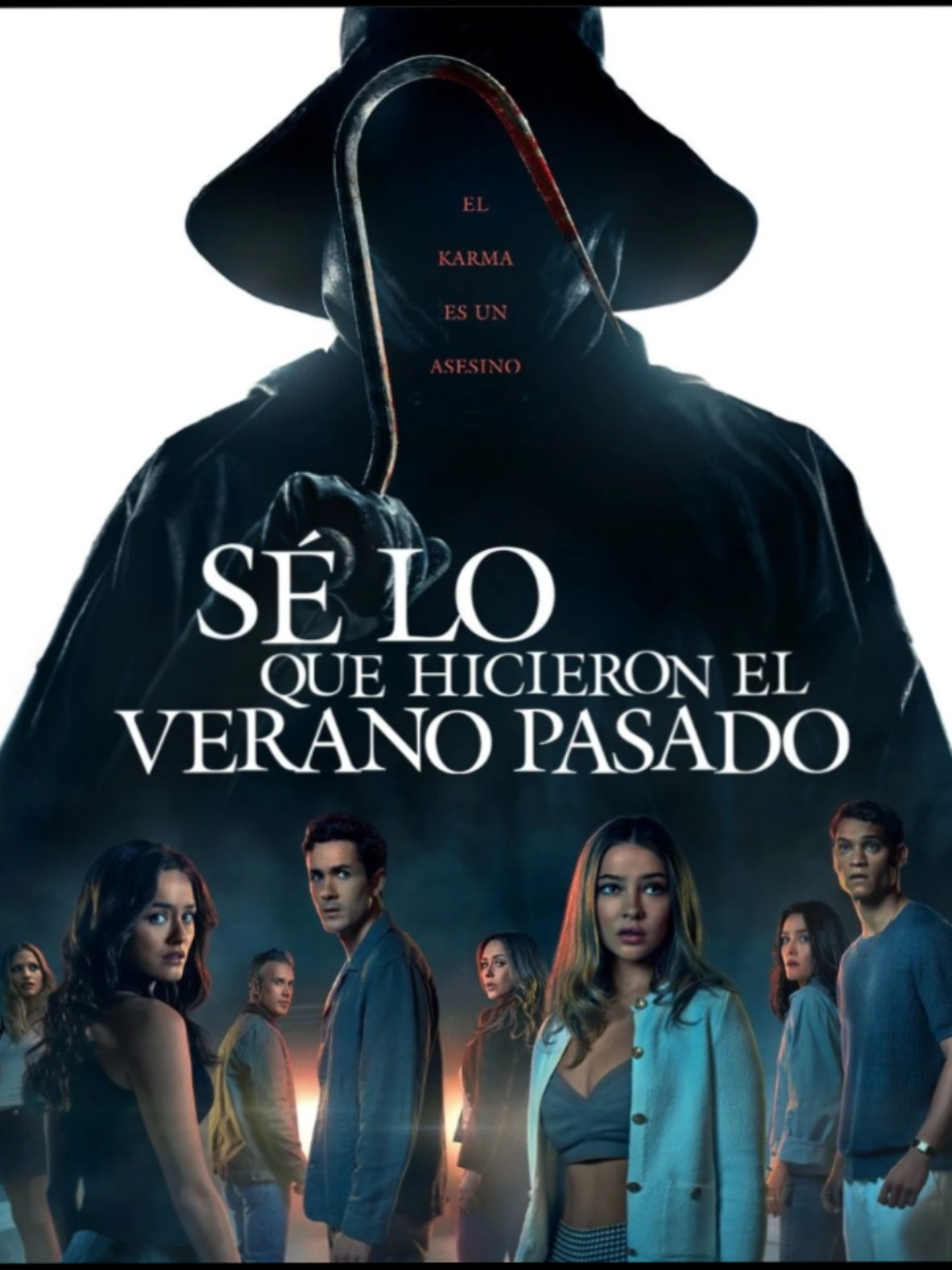
The film’s posters were equally intriguing. Instead of featuring the killer or the main characters, early posters often displayed ominous silhouettes, shadowy figures, or the tagline "You can run… but you can’t hide." This minimalist design created a sense of dread and intrigue, making the film feel more like an urban legend than a typical Hollywood horror movie. The posters also played on the fear of the unknown, a tactic that would later be refined by films like Paranormal Activity (2007).
Another innovative marketing strategy was the film’s tie-in with Fatboy Slim’s song "I Know What You Did Last Summer." The song, released in 1997, became an instant hit, reaching No. 1 on the UK Singles Chart and No. 3 in the U.S. The track’s upbeat yet eerie tone perfectly complemented the film’s mood, creating a cultural crossover that extended the movie’s reach beyond horror fans. This synergy between film and music was a rare and effective collaboration, reinforcing the film’s presence in popular culture.
Cultural Moments: Music, Fashion, and Internet Legacy
The cultural impact of I Know What You Did Last Summer extended far beyond the film itself, influencing music, fashion, and even early internet culture.
Music: The film’s soundtrack, featuring tracks like Fatboy Slim’s hit single, became synonymous with the late 1990s teen aesthetic. The song’s sample of a child’s voice singing "I know what you did last summer…" added a layer of innocence and menace, making it a defining sound of the era. Other tracks, such as "Summer" by DJ Jazzy Jeff & The Fresh Prince and "No Good (Start the Dance)" by The Prodigy, contributed to the film’s nostalgic appeal. The soundtrack’s success helped bridge the gap between horror and mainstream pop culture, making the film accessible to a broader audience.
Fashion: The film’s aesthetic—featuring baggy jeans, flannel shirts, and a mix of grunge and preppy styles—became iconic for 1990s teenagers. Characters like Julie (Sarah Michelle Gellar) and Helen (Jennifer Love Hewitt) embodied the era’s fashion trends, from oversized sweaters to platform shoes. The film’s wardrobe was later referenced in fashion retrospectives, with brands like Abercrombie & Fitch and American Eagle reviving similar styles in the 2010s. Even today, the film’s look remains a nostalgic touchstone for millennials.
Internet Culture: Long before the rise of social media, I Know What You Did Last Summer became a cultural phenomenon in online forums and early internet communities. Fans created fan fiction, theories about the killer’s identity, and even early memes, such as the "Bane" meme, which depicted the alligator in various humorous contexts. The film’s ambiguous ending—where the killer’s true nature is never fully explained—sparked endless debates among viewers, making it a staple of early internet discussion boards like AOL and Usenet.
International Reception: Censorship, Audience Reactions, and Cultural Debates
While I Know What You Did Last Summer was a massive success in the U.S., its reception in international markets varied significantly, influenced by factors like censorship, cultural sensibilities, and local audience preferences.
Censorship and Ratings: In the U.S., the film was rated R for strong violence and language, but it was still widely marketed toward older teens and young adults. However, in countries like Australia, the film was initially banned for its graphic content, including the depiction of a mutated alligator and the implied violence. After protests from horror fans, the ban was lifted, and the film was released with an R18+ rating. Similarly, in Germany, the film faced restrictions due to its violent imagery, though it was eventually released with an 18 rating.
Audience Reactions: In the UK, the film was met with mixed reactions. While it performed well at the box office, some critics argued that its reliance on suspense over outright scares made it less effective as a traditional horror film. However, younger audiences embraced it for its fresh take on the slasher genre. In Japan, the film was a surprise hit, particularly among female teenagers, who were drawn to its romantic subplots and the charismatic performances of the leads. The film’s success in Japan led to a wave of American horror films being localized and marketed specifically to female audiences, a trend that continued into the 2000s.
Cultural Appropriation Debates: One of the most contentious aspects of the film’s international reception was its portrayal of African American and Native American characters. The film’s antagonist, Bane, was later revealed to be a mutated alligator, but early marketing materials and rumors suggested a more human killer, which some critics interpreted as a racist trope. Additionally, the film’s depiction of a Native American character (played by Bridgette Wilson) as a victim of the killer sparked debates about cultural representation. While the film itself did not explicitly tie the killer to racial stereotypes, the ambiguity in its marketing
The Iconic Villain: Hooper’s Evolution from B-Movie Monster to Horror Legend
From the murky waters of Cape Cod to the collective nightmares of horror fans worldwide, Benjamin "Hooper" Willis emerged as one of the most distinctive and enduring villains in slasher cinema history. Originally conceived as a low-budget, pulp-fiction-inspired boogeyman, Hooper’s design and psychological depth redefined the slasher archetype, blending elements of The Texas Chain Saw Massacre’s primal brutality with The Hills Have Eyes’ methodical menace. His transformation—from a faceless, knife-wielding killer to a masked, taunting specter—mirrored the shifting landscape of 1990s horror, where character-driven terror replaced sheer shock value. This evolution cemented Hooper’s legacy not just as a slasher icon, but as a cultural touchstone whose influence permeates modern horror, from indie thrillers to mainstream franchises. His reinventions across sequels, comics, and television further highlight his adaptability, proving that even in an era saturated with horror villains, Hooper remains uniquely unsettling.
Character Design and Origins: The Birth of a Slasher Antihero
Hooper’s creation was rooted in the economic and creative constraints of 1990s horror production, where studios sought to capitalize on the success of films like Scream (1996) and The Blair Witch Project (1999) by crafting villains who balanced terror with relatability. Inspired by the gritty, unpolished aesthetics of The Texas Chain Saw Massacre (1974) and the survival-horror tension of The Hills Have Eyes (1977), Hooper was initially conceived as a killer with a personal vendetta rather than a mindless stalker. His origins as a disfigured, vengeful figure—later revealed to be a former victim of the teens’ prank—added layers of psychological complexity absent in earlier slashers like Jason Voorhees or Michael Myers, who operated as forces of nature rather than human antagonists.
The film’s screenwriters, Kevin Williamson and Scott Derrickson, emphasized Hooper’s methodical, almost ritualistic pursuit of his targets, a departure from the frenetic, bloodlust-driven killers of the 1980s. His backstory—revealed through fragmented flashbacks and eerie voiceovers—was designed to make audiences question whether he was a monster or a tragic figure. This ambiguity was reinforced by his visual design: - The Mask: Crafted from a melted, rubbery material (originally a failed Halloween prop), Hooper’s mask became an instant icon, blending grotesque and artistic elements. Its distorted, featureless face amplified the sense of an inhuman presence, while the peeling, flesh-like texture suggested decay and instability. - The Boat: Serving as both a mobile hideout and a symbol of isolation, the boat’s claustrophobic interiors and creaking woodwork heightened tension during the film’s most iconic chase sequence. The water’s reflection of Hooper’s masked face created a surreal, almost supernatural effect. - The Taunt: The phrase "I know what you did last summer" was more than a catchphrase—it was a psychological weapon, stripping away the teens’ sense of security by exploiting their guilt. This verbal signature set Hooper apart from slashers who relied solely on physical terror.
Hooper’s design also drew from folk horror and Southern Gothic traditions, evoking the eerie, small-town dread of stories like Shirley Jackson’s The Haunting of Hill House. His presence in the woods and coastal towns of Cape Cod tapped into primal fears of the unknown, reinforcing the idea that evil could lurk in idyllic settings.
Psychological Horror: Hooper’s Methodical Terror vs. Slasher Conventions
Unlike Jason Voorhees, whose kills were often rapid and brutal, or Michael Myers, who embodied pure, unstoppable evil, Hooper’s approach was calculated and personal. His psychological tactics included: - Manipulation of Guilt: By forcing the teens to confront their past actions, Hooper weaponized their morality, making them complicit in their own terror. This contrast with traditional slashers, who typically punished characters for promiscuity or arrogance, added a layer of moral ambiguity. - Environmental Control: Hooper’s mastery of his surroundings—whether in the woods, on the boat, or in the abandoned house—demonstrated a strategic intelligence lacking in earlier villains. His ability to anticipate the teens’ movements elevated the film’s tension beyond jump scares. - Silence as a Weapon: Hooper’s near-silent stalking (achieved through practical effects and minimal sound design) made his presence feel inescapable yet unpredictable. The absence of music during key scenes amplified the dread, a technique later adopted in films like The Strangers (2008).
The film’s non-linear storytelling, with its shifting timelines and unreliable perspectives, further immersed audiences in Hooper’s psychological warfare. His voiceovers, delivered in a hushed, almost childlike whisper, created an unsettling disconnect between his monstrous actions and his seemingly fragile psyche. This duality—both predator and victim—made Hooper more than a one-dimensional killer; he was a mirror of the audience’s own fears.
Technical Execution: Behind the Scenes of Hooper’s Most Chilling Scenes
The film’s practical effects and technical choices were instrumental in crafting Hooper’s terrifying presence. A breakdown of key scenes reveals the meticulous work behind his legend:
1. The Opening Sequence: The Drowning - Visuals: The scene begins with a slow, underwater shot of a hand reaching toward the camera, followed by a sudden cut to the surface where Hooper’s masked face emerges. The distorted, fish-eye lens effect created a disorienting sense of being trapped beneath the water. - Sound Design: The absence of dialogue, coupled with submerged breathing sounds and the rhythmic lapping of water, built tension. The sudden silence before Hooper’s voice broke the surface was a masterstroke in audio horror. - Practical Effects: The drowning victim’s corpse was a prosthetic-laden dummy, its bloated, decaying appearance contrasting with the eerie calm of the water.
2. The Boat Chase: A Masterclass in Tension - Lighting: The boat’s interior was lit with flickering fluorescent lights and shadows cast by Hooper’s movements, creating a sense of paranoia. The moonlight filtering through the windows added an otherworldly glow. - Movement: Hooper’s jerky, unnatural gait (achieved through a combination of acting and prosthetic limbs) made his pursuit feel both human and inhuman. The boat’s creaking and groaning were enhanced with low-frequency sound effects, making the space feel alive with menace. - Mise-en-scène: The confined spaces—tight corridors, storage compartments, and the engine room—forced the teens (and audience) into a claustrophobic nightmare. The sudden appearance of Hooper in the mirror remains one of the most iconic horror set pieces of the 1990s.
3. The Final Confrontation: The Mask’s Removal - Practical Effects: The peeling mask reveal was achieved using liquid latex and silicone prosthetics, designed to look like melting flesh. The slow, deliberate removal was shot in close-up, emphasizing the grotesque transformation. - Sound Design: The wet, tearing sounds of the mask’s removal were layered with Hooper’s labored breathing, creating a visceral audio experience. - Symbolism: The moment Hooper’s true, disfigured face is exposed was intended to humanize him, reinforcing the theme that evil often wears a mask of normalcy.
Reinterpretations Across Media: Hooper’s Reinventions and Legacy
Hooper’s character has undergone significant transformations across sequels, comics, and television, each reimagining his backstory, motives, and even his physical appearance. These adaptations reflect broader trends in horror, from the self-aware meta-commentary of the 2000s to the serialized, character-driven storytelling of modern television.
1. I Still Know What You Did Last Summer (2006) The sequel attempted to modernize Hooper while retaining his iconic elements. Key changes included: - Backstory Expansion: Hooper was revealed to be Julie’s (Sarah Michelle Gellar) long-lost brother, adding a family trauma angle that deepened his psychological profile. - Motivational Shift: His vendetta became more personal and vengeful, aligning with the film’s focus on generational guilt. - Visual Updates: While the mask remained, Hooper’s physical appearance was slightly altered, with a more lean, athletic build to reflect the era’s action-horror trends. - Tone: The sequel leaned into
The Psychology of Fear: Why I Know What You Did Last Summer Haunts Audiences Decades Later
I Know What You Did Last Summer transcends its 1997 release as a slasher film, embedding itself into the cultural psyche through a masterful manipulation of psychological horror. Unlike traditional slashers that rely solely on shock value or jump scares, the film leverages realism, moral ambiguity, and existential dread to create a haunting experience. Its ability to exploit primal fears—guilt, paranoia, and the fear of consequences—has ensured its relevance across generations. The film’s techniques, from its found-footage aesthetic to its subversion of genre tropes, exploit deep-seated psychological triggers, making it a case study in how horror can resonate on an emotional and cognitive level.
The narrative’s foundation lies in its departure from conventional horror storytelling, where victims are often faceless or morally neutral. Instead, I Know What You Did Last Summer forces audiences to confront uncomfortable truths: that guilt lingers, that consequences are inevitable, and that fear is not just external but deeply personal. This section explores how the film’s psychological depth—rooted in its technical execution, thematic choices, and cultural context—creates an enduring sense of dread that lingers long after the credits roll.
Found-Footage Aesthetics and the Illusion of Reality
The film’s use of found-footage sequences, including home videos, security footage, and surveillance recordings, blurs the line between fiction and reality. This technique immerses audiences in a world where the supernatural feels plausible, as if Hooper’s vengeful presence could exist in their own lives. The found-footage segments—such as the opening scene of Julie’s birthday party or the security footage at the marina—serve as unfiltered glimpses into the characters’ lives, making their eventual fate feel inevitable and tragic rather than contrived.
The realism extends beyond visuals to the film’s pacing and dialogue. Unlike traditional horror films that rely on exaggerated performances or over-the-top villainy, I Know What You Did Last Summer grounds its terror in mundane, relatable scenarios. For example, the teens’ casual conversation about the accident they caused feels authentic, reinforcing the idea that their downfall is not just the result of a monster but of their own actions. This approach exploits the uncanny valley effect, where familiar settings and behaviors make the horror feel closer to home. Audiences are not just watching a movie; they are experiencing a violation of their own sense of safety.
The found-footage technique also heightens paranoia by suggesting that Hooper is everywhere, watching and waiting. The film’s reliance on security cameras and hidden recordings implies that the characters—and by extension, the audience—are constantly under surveillance. This voyeuristic element taps into modern anxieties about privacy and digital exposure, a theme that has only grown more relevant in the age of social media. The film’s ability to anticipate contemporary fears decades before they became mainstream underscores its psychological acuity.
Subverting Expectations: Twist Endings and Unreliable Narration
I Know What You Did Last Summer challenges audience expectations by dismantling the predictable structure of slasher films. One of its most iconic subversions is the twist ending, which reveals that Julie’s survival was a lie—a narrative choice that defies the "final girl" trope. Traditionally, the final girl survives to symbolize purity or resilience, but here, her survival is exposed as a fabrication, leaving audiences questioning the reliability of the story itself. This narrative gambit forces viewers to confront their own complicity in the genre’s conventions, creating a meta-layer of horror where the audience is as much a victim as the characters.
The film’s unreliable narration further complicates its psychological impact. Early in the story, the audience is led to believe that Hooper is a vengeful spirit seeking retribution for the teens’ actions. However, the reveal that Julie is dead and the events unfold from her perspective—or rather, from the perspective of a grieving, guilt-ridden mind—transforms the horror into a psychological breakdown. The audience is left wondering: Was Hooper ever real, or was he a manifestation of guilt? This ambiguity exploits the human tendency to seek patterns and meaning in chaos, a cognitive process known as apophenia. By refusing to provide definitive answers, the film ensures that its horror lingers in the audience’s mind long after the credits.
The unreliable narration also plays with the concept of dissociation, a psychological defense mechanism where the mind separates from reality to cope with trauma. Julie’s fragmented memories and the film’s nonlinear storytelling reflect this dissociation, making the audience question what is real and what is imagined. This technique is particularly effective because it mirrors the way real-life trauma can distort perception, creating a horror that feels uncomfortably close to psychological reality.
Guilt and Moral Consequences as the Core of Horror
At its heart, I Know What You Did Last Summer is a horror film driven by guilt and moral consequences—a rarity in a genre that often glorifies violence without repercussions. The teens’ decision to hit a man with a car and leave him for dead is not just a plot device but a moral failing that haunts them long after the fact. This focus on guilt elevates the film beyond typical slasher fare, tapping into universal fears about karma, justice, and the inescapability of one’s actions.
The film’s exploration of guilt is multifaceted. For Helen, the guilt manifests as paranoia and self-destruction, while for Barry, it takes the form of denial and reckless behavior. Julie’s internal struggle—whether she is dead or alive—further complicates the moral landscape, suggesting that guilt can be so overwhelming that it warps reality itself. The character of Hooper serves as a physical manifestation of this guilt, a force that cannot be escaped until the moral debt is repaid. This theme resonates deeply because it reflects a fundamental human fear: that our actions will catch up to us, often in ways we cannot predict or control.
The film’s moral ambiguity also sets it apart from traditional horror narratives, where villains are clearly evil and victims are innocent. Here, the "victims" are complicit in their own downfall, making their suffering feel earned and inevitable. This approach forces audiences to grapple with uncomfortable questions: Would they have done the same in the teens’ shoes? How would they cope with such guilt? By making the audience active participants in the moral dilemma, the film ensures that its horror is not just external but deeply personal.
Sound Design: The Language of Silence and Dread
The sound design of I Know What You Did Last Summer is a masterclass in creating tension through auditory cues. Composer John Debney’s eerie score, combined with strategic use of silence and diegetic sounds, amplifies the film’s psychological horror. The score is minimalist yet haunting, using dissonant strings and deep, resonant tones to evoke a sense of dread. For example, the recurring motif associated with Hooper—low, pulsing strings—creates an auditory signature that conditions the audience to associate it with impending doom. This leitmotif technique reinforces the villain’s omnipresence, making his presence feel inevitable rather than sudden.
Silence is equally powerful in the film. Moments of quiet, such as the pause before Hooper’s attack or the eerie stillness of the woods, heighten the audience’s anticipation. The absence of sound creates a vacuum that the mind fills with fear, a psychological trick known as expectancy theory. When the audience expects a sound (e.g., Hooper’s footsteps) but hears nothing, the tension builds until the inevitable is realized. This technique exploits the human brain’s tendency to perceive threats where none exist, a survival mechanism that the film weaponizes for maximum effect.
Diegetic sounds—those that originate from within the film’s world—play a crucial role in building tension. The rhythmic clanking of Hooper’s chains, the distant hum of the boat engine, and the crunching of leaves underfoot all serve as auditory cues that signal danger. These sounds are not just background noise; they are active participants in the horror, creating a sense of inevitability. The boat scene, for instance, uses the engine’s growl and the splashing of water to create a claustrophobic atmosphere, making the audience feel as trapped as the characters. Even the silence of the woods becomes a character in itself, amplifying the sense of being watched.
The film’s use of sound perspective—where sounds seem to come from all directions—further disorients the audience. In one iconic scene, the characters hear Hooper’s footsteps approaching from multiple angles, a technique that exploits the uncanny valley in auditory perception. This creates a sense of disorientation, as if the rules of reality are being bent. The result is a horror that feels inescapable, not just because of what is seen but because of what is heard—or, more accurately, what is not heard.
Teen Angst and the Reflection of 1990s Youth Culture
I Know What You Did Last Summer captures the essence of 1990s teen angst, a period marked by rebellion, recklessness, and the fear of being "found out."
Decades after its release, I Know What You Did Last Summer remains a masterclass in how horror can exploit the darkest corners of human psychology. Its legacy isn’t just in the bloodshed or the jump scares, but in the way it forced audiences to confront their own complicity—turning a summer slasher into a mirror held up to societal fears. From inspiring directors like James Wan to spawning memes and reboots, the film’s DNA is woven into the genre’s evolution. What began as a low-budget experiment became a cultural touchstone, proving that the most terrifying stories aren’t just about what haunts us, but about what we’ve done—and what we’re willing to keep hidden.
Leave a Comment
Comments are moderated before appearing. The data you submit is processed according to the Privacy Policy of Maremilano.