Best Laptop For Work Choices That Boost Productivity Now
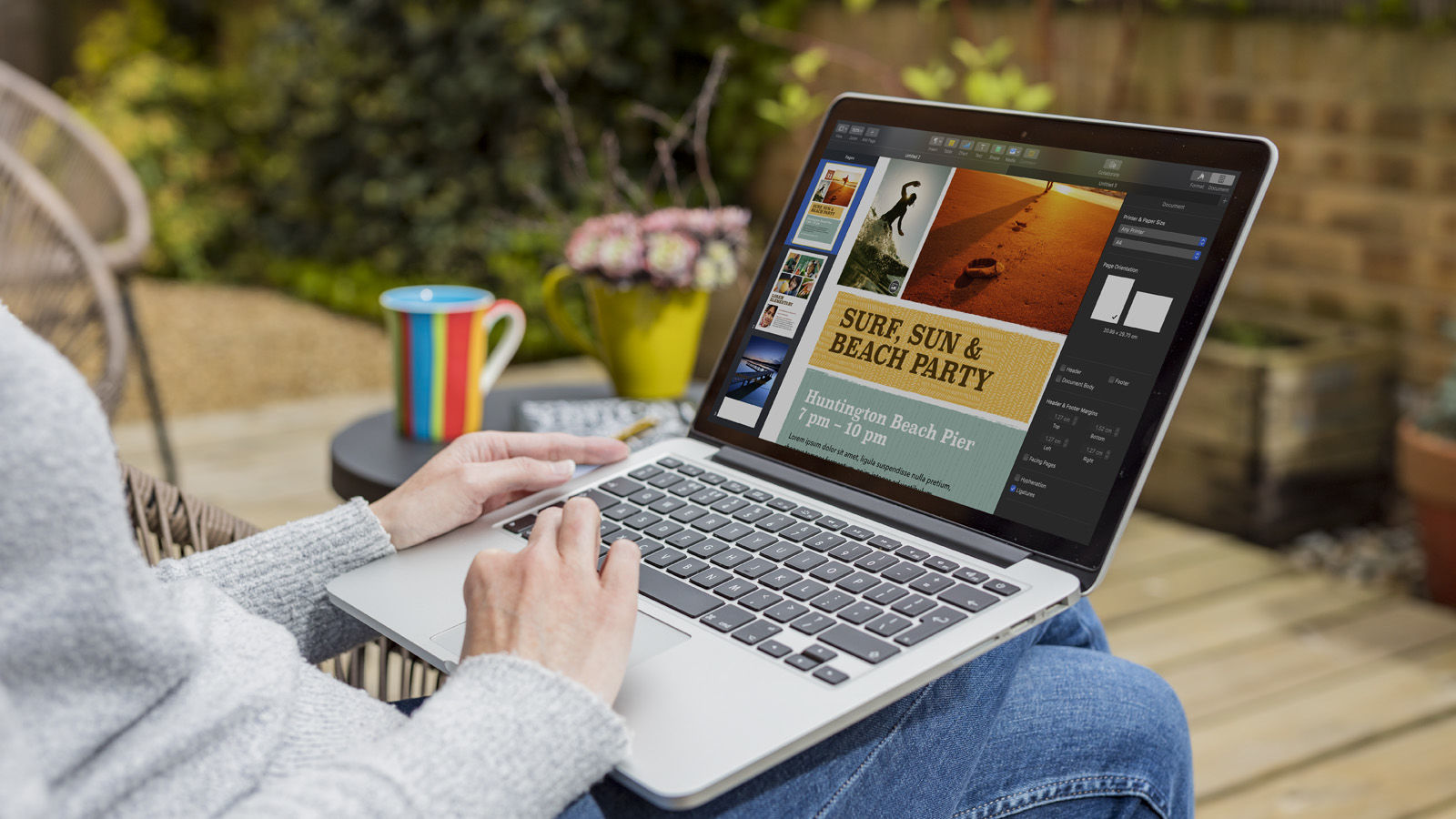
The modern workplace demands more than just a device—it requires a precision-engineered tool that adapts to the rhythm of professional demands. Whether you are a developer debugging code at 2 AM, a designer rendering high-resolution graphics, or an executive managing cross-continental meetings, the right laptop can be the difference between efficiency and frustration. With hybrid work models reshaping office dynamics, professionals now face a critical question: How do you balance portability, performance, and budget without compromising productivity?
This guide dissects the science and strategy behind selecting the best laptop for work, moving beyond vague specifications to focus on real-world applications. From the CPU that powers your most intensive tasks to the operating system that shapes your daily workflow, every component plays a role in defining your professional experience. By analyzing industry-specific needs—such as the thermal management required for video editors or the battery life essential for remote analysts—we provide a roadmap to navigate the crowded laptop market with confidence. The goal is clear: equip you with the knowledge to make an informed decision that aligns with your career demands.
Understanding Work Requirements: Defining the Ideal Work Laptop

The right laptop for work is not a one-size-fits-all solution. Professionals across industries—from developers coding complex algorithms to executives managing global teams—require hardware tailored to their specific demands. A freelance video editor’s needs differ drastically from those of a financial analyst crunching spreadsheets or a software engineer debugging code in a remote setting. Understanding these requirements ensures optimal productivity, efficiency, and cost-effectiveness. This section explores how diverse professional roles dictate laptop specifications, trade-offs between performance and portability, and the impact of hybrid work models on hardware selection.
Diverse Roles and Their Laptop Requirements

Professional tasks shape the ideal laptop configuration. Below is a breakdown of key roles and their hardware priorities, categorized by industry and function.
Creative Professionals (Graphic Designers, Video Editors, Photographers): - Primary Tasks: High-resolution graphic rendering, video editing (e.g., Adobe Premiere Pro, After Effects), color grading, and multimedia production. - Hardware Priorities: - Display: 4K or OLED screens with 100% sRGB/Adobe RGB color accuracy (e.g., Dell XPS 15, MacBook Pro 14-inch). - GPU: Dedicated graphics (NVIDIA RTX or AMD Radeon Pro) for real-time rendering. - RAM: 16GB–32GB for handling large multimedia files. - Storage: NVMe SSD (1TB+) for fast data access. - Portability: Secondary consideration; prioritize desk-bound use with occasional mobility. - Trade-offs: Higher-end GPUs and displays increase weight and drain battery life faster.
Data Analysts and Financial Professionals: - Primary Tasks: Statistical modeling, database management (SQL, Excel), and financial forecasting. - Hardware Priorities: - CPU: Multi-core processors (Intel Core i7/i9 or AMD Ryzen 7/9) for complex calculations. - RAM: 16GB–64GB for large datasets (e.g., Python, R, or MATLAB workloads). - Display: High-resolution (1440p or 4K) with low blue light for prolonged use; touchscreen optional. - Battery Life: 8+ hours for long workdays without charging. - Portability: Lightweight (under 2.5 lbs) for frequent travel. - Trade-offs: High RAM and CPU performance often mean shorter battery life; opt for slim designs with efficient cooling.
Table of Contents
- Understanding Work Requirements: Defining the Ideal Work Laptop
- Diverse Roles and Their Laptop Requirements
- Decision Tree: Identifying Work Laptop Needs
- Performance Metrics Defining Work Laptop Excellence
- Critical Hardware Components and Their Impact on Work Efficiency
- Operating Systems: Windows, macOS, and Linux for Professional Productivity
- Comparison of Windows, macOS, and Linux for Professional Use
- Ecosystem Integration and Industry Standards
- Security Features and Remote Work Relevance
- Customization Options Across Operating Systems
- FAQ
- What are the top 5 laptops for productivity in 2024, and why are they recommended for work?
- Should I choose a Windows, macOS, or ChromeOS laptop for work, and how does it affect productivity?
- How much should I spend on a work laptop to balance performance and budget?
- What laptop specs matter most for productivity, and which ones can I skip?
- Are 2-in-1 laptops (like Microsoft Surface or HP Spectre x360) worth it for work, or should I stick to traditional laptops?
Software Developers and Engineers: - Primary Tasks: Coding (Python, Java, C++), debugging, and virtual machine management. - Hardware Priorities: - CPU: High single-core performance (Intel Core i7/i9 or Apple M1/M2 Pro) for compilation and emulation. - RAM: 16GB–64GB for multiple IDEs, Docker containers, and VMs (e.g., JetBrains IDEs, VS Code). - Storage: Fast NVMe SSD (512GB–2TB) for quick file access. - Keyboard: Precision-engineered (e.g., MacBook Pro’s butterfly keyboard or Lenovo ThinkPad’s TrackPoint). - OS Flexibility: Linux compatibility (e.g., System76 laptops) or dual-boot support. - Trade-offs: High-end CPUs and RAM reduce portability; developers often prioritize performance over weight.
Executives and Remote Workers: - Primary Tasks: Email management, presentations (PowerPoint, Google Slides), video conferencing, and document editing. - Hardware Priorities: - Display: 13–14-inch FHD or 4K for clarity (e.g., Microsoft Surface Laptop, HP EliteBook). - Battery Life: 10+ hours for all-day use (e.g., MacBook Air M1/M2). - Webcam/Microphone: 1080p HD webcam (e.g., Logitech Brio integrated) and noise-canceling mics for meetings. - Portability: Ultra-light (under 2 lbs) for travel. - Security: Fingerprint reader, TPM 2.0, and enterprise-grade encryption. - Trade-offs: Lower-end GPUs and CPUs mean reduced performance for creative or technical tasks.
Hybrid Workers (Office + Remote): - Primary Tasks: Balancing office productivity with remote collaboration. - Hardware Priorities: - Dual-Mode Displays: 2-in-1 convertible laptops (e.g., Microsoft Surface Pro, Dell XPS 13 2-in-1) for flexibility. - Connectivity: Thunderbolt 4 for docks, external monitors, and high-speed data transfer. - Collaboration Tools: Built-in cameras with privacy shutters, omnidirectional mics, and compatibility with Zoom/Teams. - Battery Life: 8+ hours for split-time use (office and remote). - Trade-offs: Convertible designs may sacrifice keyboard quality; prioritize ergonomic inputs.
Decision Tree: Identifying Work Laptop Needs
Use the table below to navigate your ideal laptop configuration based on primary tasks, portability, and power requirements. Select the category that best fits your role, then follow the corresponding hardware recommendations.
| Primary Task | Portability Need | Power Requirement | Recommended Specifications | ||||||||||||||||||||||||||||||||||||||
|---|---|---|---|---|---|---|---|---|---|---|---|---|---|---|---|---|---|---|---|---|---|---|---|---|---|---|---|---|---|---|---|---|---|---|---|---|---|---|---|---|---|
| Creative Work (Design/Video Editing) | Desk-bound (90%+) | High Performance |
|
||||||||||||||||||||||||||||||||||||||
| Moderate Mobility (30–70% travel) | Balanced Performance |
|
|||||||||||||||||||||||||||||||||||||||
| High Portability (70%+ travel) | Portable Performance |
|
|||||||||||||||||||||||||||||||||||||||
| Data Analysis/Finance | Desk-bound | High RAM/CPU |
|
||||||||||||||||||||||||||||||||||||||
| Moderate Mobility | Balanced Specs |
Performance Metrics Defining Work Laptop ExcellenceThe efficiency of a laptop for professional tasks hinges on a combination of hardware components that directly influence speed, stability, and adaptability to workload demands. Unlike consumer-grade devices optimized for media consumption, work laptops require precision-engineered performance metrics to handle everything from spreadsheet computations to 3D modeling. Understanding these metrics—such as processor architecture, memory bandwidth, and thermal efficiency—allows professionals to select hardware that aligns with their specific demands, whether in finance, engineering, or creative fields. Below is a breakdown of critical components, their roles, and how they translate into real-world productivity.Critical Hardware Components and Their Impact on Work EfficiencyThe foundation of a high-performing work laptop lies in its hardware specifications, each playing a distinct role in processing power, multitasking, and thermal management. Below is a structured comparison of essential components, their functions, and the ideal configurations for various professional tasks.
|
Leave a Comment
Comments are moderated before appearing. The data you submit is processed according to the Privacy Policy of Maremilano.