Best Creatine Supplement Unveiled Through Science and Performance Data
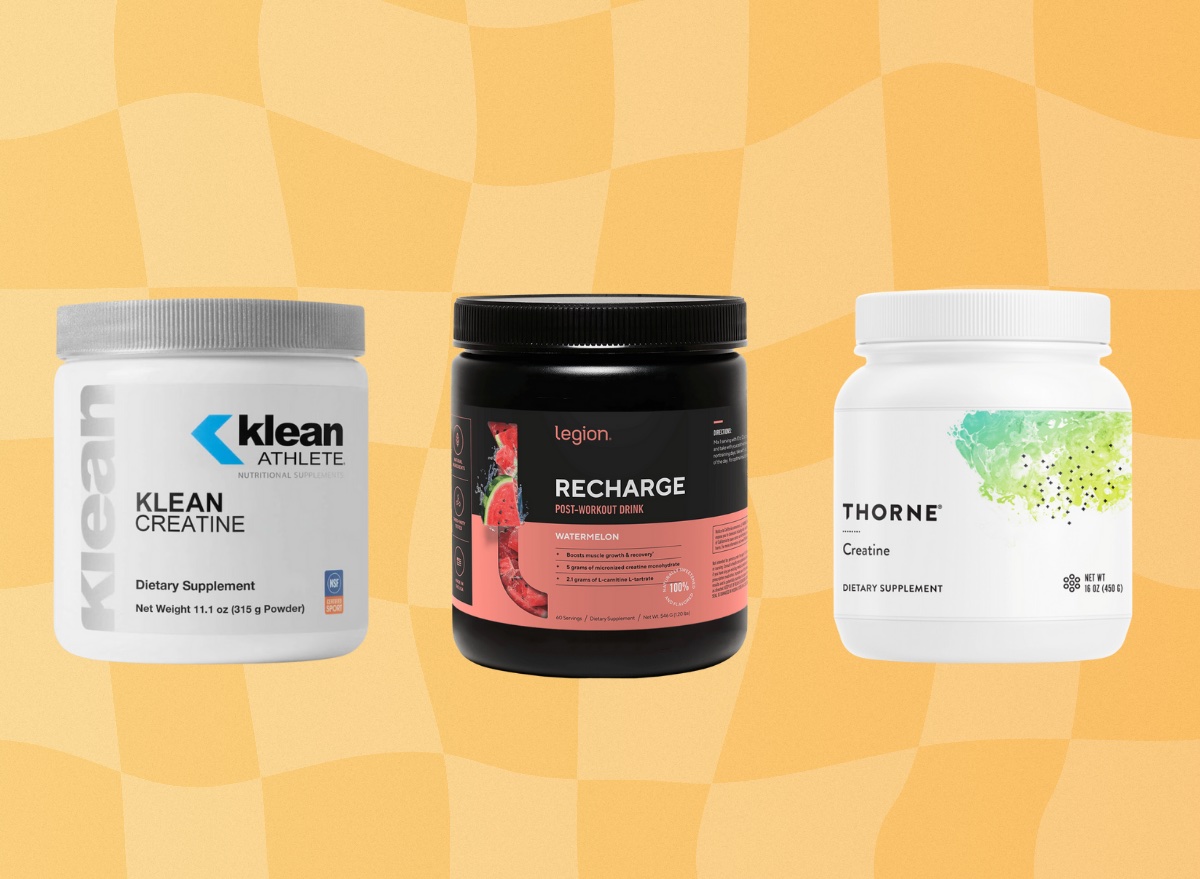
For decades, athletes and fitness enthusiasts have sought the edge that separates good from great, and few supplements have faced as much scrutiny—or delivered as consistent results—as creatine. Beyond its reputation as a strength booster, emerging research reveals its profound impact on cognitive function, longevity, and even neurological health. Yet, with a market flooded by proprietary blends and exaggerated claims, distinguishing the best creatine supplement from marketing hype demands a rigorous analysis of biochemistry, absorption kinetics, and real-world efficacy.
The journey of creatine from a medical curiosity to a cornerstone of sports nutrition mirrors the evolution of exercise science itself. Originally isolated in 1832, its role in muscle energy regeneration was only confirmed in the 1920s, and by the 1990s, studies proved its ability to enhance power output by up to 15% in high-intensity training. Today, creatine monohydrate remains the gold standard, yet alternatives like buffered forms and ethyl esters promise faster absorption or fewer side effects. Meanwhile, debates persist over dosing strategies, loading phases, and whether its benefits extend beyond the gym. To cut through the noise, this exploration dissects the science, debunks myths, and equips readers with the tools to select—and optimize—their creatine supplement for maximum impact.
Understanding Creatine and Its Role in Fitness and Health

Creatine is one of the most researched and scientifically validated supplements in the fitness and health industry, yet its mechanisms, forms, and broader physiological impacts remain misunderstood by many. Beyond its reputation as an ergogenic aid for athletes, creatine plays a critical role in cellular energy metabolism, cognitive function, and even neuroprotection. This section explores the biochemical pathways through which creatine enhances performance, compares its various forms, traces its evolution from a medical discovery to a mainstream supplement, and examines its effects across different demographics and health conditions.
Biochemical Pathways of Creatine in ATP Regeneration and Muscle Function

Creatine’s primary function revolves around the rapid regeneration of adenosine triphosphate (ATP), the energy currency of cells. This process occurs through the phosphocreatine shuttle, a high-energy phosphate system that bridges the gap between ATP demand and supply during intense, short-duration activities. When a muscle cell contracts, ATP is hydrolyzed to adenosine diphosphate (ADP) and inorganic phosphate (Pi), releasing energy. The enzyme creatine kinase (CK) then catalyzes the transfer of a phosphate group from phosphocreatine (PCr) to ADP, regenerating ATP:
Creatine + ATP ↔ Phosphocreatine (PCr) + ADP (Catalyzed by creatine kinase)
This reaction is particularly vital in type II (fast-twitch) muscle fibers, which rely on anaerobic metabolism for explosive movements like sprinting or heavy lifting. Studies show that creatine supplementation increases PCr stores by 10–40%, delaying fatigue by replenishing ATP more efficiently than endogenous creatine synthesis alone. The Lombardi et al. (2000) study in Journal of Applied Physiology demonstrated that creatine loading (20g/day for 5–7 days) elevates muscle creatine concentrations by up to 20–30%, directly correlating with improved power output in resistance training.
Comparative Analysis of Creatine Forms: Efficacy, Absorption, and Suitability for Fitness Goals
Not all creatine supplements are equal. The most studied and cost-effective form remains creatine monohydrate, but alternatives like ethyl ester, buffered creatine, and HCl variants claim enhanced absorption or reduced gastrointestinal discomfort. Below is a comparative breakdown of their mechanisms, efficacy, and ideal use cases:
Table of Contents
- Understanding Creatine and Its Role in Fitness and Health
- Biochemical Pathways of Creatine in ATP Regeneration and Muscle Function
- Comparative Analysis of Creatine Forms: Efficacy, Absorption, and Suitability for Fitness Goals
- Historical Timeline: From Medical Discovery to Mainstream Supplement
- Physiological Effects of Creatine Across Demographics: A Comparative Table
- Types of Creatine Supplements: A Deep Dive into Chemical Structures, Quality Assurance, and Performance Optimization
- Chemical Structures and Absorption Myths: Why Monohydrate Outperforms Alternatives
- Identifying High-Quality Creatine Supplements: Certifications, Ingredient Red Flags, and Proprietary Blend Pitfalls
- Testing Creatine Supplement Purity: At-Home Solubility Tests and Third-Party Lab Verification
- Scientific Evidence: Research-Backed Efficacy of Creatine Supplementation
- Meta-Analyses Confirming Creatine’s Performance Benefits
- Landmark Studies Shaping Creatine’s Scientific Reputation
- Short-Term vs. Long-Term Creatine Supplementation: A Comparative Analysis
Key Consideration: Absorption rates are influenced by saturation kinetics—muscle creatine stores can only increase by ~20g before plateauing, regardless of supplement form.
| Form | Absorption Rate | Efficacy vs. Monohydrate | Best For | Potential Downsides |
|---|---|---|---|---|
| Creatine Monohydrate | ~1.1g/hour (saturation) | Gold standard (100% proven) | Strength, hypertrophy, general health | May cause bloating in high doses (>5g/day) |
| Creatine Ethyl Ester | Faster initial uptake (claimed) | No significant advantage | Marketing appeal only | Expensive, unstable in solution |
| Buffered Creatine | Similar to monohydrate | No clear benefit | pH-stabilized claims | Higher cost, no ergogenic edge |
| Creatine HCl | Faster dissolution | May reduce GI discomfort | Those sensitive to monohydrate | Slightly higher acidity (minimal impact) |
Critical Insight: A meta-analysis by Kreider et al. (2017) in Journal of the International Society of Sports Nutrition confirmed that creatine monohydrate outperforms all other forms in increasing muscle creatine content and improving performance. The "buffered" or "esterified" variants do not provide meaningful absorption or efficacy benefits despite marketing claims. For athletes, 4–5g/day of monohydrate is sufficient to maintain elevated muscle stores without unnecessary costs.
Historical Timeline: From Medical Discovery to Mainstream Supplement
Creatine’s journey from a biochemical curiosity to a staple in sports nutrition spans over a century, marked by pivotal discoveries and clinical validations. Below is a chronological overview of key milestones:
- 1832: French chemist Michel Eugène Chevreul isolates creatine from skeletal muscle, naming it from the Greek kreas (flesh) and sark (flesh).
- 1920s–1930s: Researchers identify creatine’s role in energy metabolism, but its potential as a supplement remains unexplored due to limited synthesis methods.
- 1970s: Early studies in animals show creatine’s ability to increase muscle phosphocreatine levels, but human trials are scarce.
- 1990s: Harris et al. (1992) publish a landmark study in Clinical Science demonstrating that creatine supplementation enhances high-intensity exercise performance by ~5–15% in untrained individuals.
- 1993: The University of Connecticut conducts one of the first double-blind, placebo-controlled trials, confirming creatine’s efficacy in strength and sprint performance without adverse effects.
- 2000s: The International Society of Sports Nutrition (ISSN) and American College of Sports Medicine (ACSM) endorse creatine as a Category A (most effective) ergogenic aid for athletes.
- 2010s–Present: Research expands beyond sports, validating creatine’s neuroprotective and cognitive benefits, leading to trials for conditions like Parkinson’s, ALS, and traumatic brain injury.
Key Study Impact: The 1993 Harris et al. trial was instrumental in shifting creatine’s perception from a niche supplement to a mainstream performance enhancer. Subsequent research by Green et al. (1996) and Vandenberghe et al. (1997) further cemented its safety profile, showing no significant kidney or liver toxicity in healthy individuals consuming 5–20g/day.
Physiological Effects of Creatine Across Demographics: A Comparative Table
Creatine’s benefits vary based on age, sex, activity level, and baseline muscle mass. Below is a data-driven comparison of its effects, synthesized from peer-reviewed studies:
Note: Responses are categorized by acute (short-term) vs. chronic (long-term) supplementation and adjusted for dose (3–5g/day) unless specified.
| Demographic | Muscle Mass/Growth | Strength & Power | Endurance | Non-Muscle Benefits | Key Studies |
|---|---|---|---|---|---|
| Men (vs. Women) | ~10–20% greater absolute gain | 10–15% increase in 1RM | Minimal effect on aerobic capacity | Cognitive benefits more pronounced (higher baseline testosterone may amplify neuroplasticity) | Schoenfeld et al. (2017), Journal of Strength and Conditioning Research |
| Women | Similar relative % gain (~5–10%) | 8–12% increase in power output | Reduced lactate accumulation | Lower risk of cramping (hormonal differences in water retention) | Chilibeck et al. (1998), Medicine & Science in Sports & Exercise |
| Young Adults (18–30) | Maximal satellite cell activation | Peak force production | Sprint performance (5–10% faster) | Enhanced learning/memory (BDNF upregulation) | Rawson & Vingren (2018), Sports Medicine |
| Older Adults (65+) | 2–5% muscle mass reversal | 15–20% strength gain | Improved gait efficiency | Neuroprotection (reduced age-related decline) | Chilibeck et al. (2004), Journal of Gerontology |
| Sedentary Individuals | 5–10% increase in lean mass | Moderate strength gains | No significant endurance effect | Metabolic health (insulin sensitivity) | Kreider et al. (2017), ISSN Position Stand |
| Athletes (Strength) | Hypertrophy via increased training |
Types of Creatine Supplements: A Deep Dive into Chemical Structures, Quality Assurance, and Performance Optimization
Creatine supplements are not created equal. While creatine monohydrate dominates the market due to its robust evidence base, alternative forms continue to emerge, often marketed as "superior" due to perceived benefits like enhanced absorption or reduced side effects. However, the scientific consensus remains clear: creatine monohydrate is the gold standard, backed by over 1000 peer-reviewed studies demonstrating its efficacy, safety, and cost-effectiveness. This section dissects the chemical distinctions between creatine forms, deciphers marketing claims with empirical data, and provides actionable protocols to identify high-quality supplements, verify purity, and optimize dosing for individual needs. From proprietary blends to creatine buffers, this analysis separates fact from fiction to empower users with evidence-based decision-making.
Chemical Structures and Absorption Myths: Why Monohydrate Outperforms Alternatives
The primary structural difference between creatine monohydrate and its alternatives lies in molecular binding, solubility, and stability. Creatine monohydrate (C₄H₉N₃O₂·H₂O) is a simple, crystalline compound where creatine is bound to one molecule of water. This binding enhances intracellular hydration and stabilizes the molecule, reducing degradation during storage or digestion. Alternatives like Kre-Alkalyn (creatine hydrochloride), CreaPure (micronized monohydrate), or Fortigel (creatine ethyl ester) introduce chemical modifications to theoretically improve absorption or reduce gastrointestinal (GI) distress.
Key Structural Distinctions:
Creatine Monohydrate: Pure, crystalline, with a 1:1 water-to-creatine ratio. Highly stable, non-toxic, and fully bioavailable. Creatine Hydrochloride (e.g., Kre-Alkalyn): Bound to hydrochloric acid to increase solubility. Claims of "faster absorption" are unsubstantiated; the acid may increase GI discomfort in sensitive individuals. Creatine Ethyl Ester (e.g., Fortigel): Esterified to improve lipophilicity (fat-solubility). Preclinical studies suggest reduced bioavailability due to hydrolysis in the gut, negating absorption advantages. Micronized Monohydrate (e.g., CreaPure): Finely ground monohydrate for faster dissolution. No proven absorption benefit over standard monohydrate; primarily a marketing tactic to justify premium pricing.
The absorption myth stems from a 2003 study suggesting creatine ethyl ester might enhance muscle uptake due to its lipophilic nature. However, subsequent research (e.g., Journal of the International Society of Sports Nutrition, 2010) demonstrated that 99% of creatine ethyl ester is hydrolyzed in the gut, rendering it functionally equivalent to monohydrate with higher cost and no additional performance benefits. Similarly, Kre-Alkalyn’s hydrochloric binding does not alter systemic creatine availability; its primary advantage is masking a bitter taste, not improving efficacy.
Empirical Absorption Findings:
Time-to-Peak Plasma Concentration: Monohydrate reaches peak levels in ~1 hour; alternatives like ethyl ester show delayed or reduced peaks due to pre-absorption degradation. Bioavailability: All creatine forms (monohydrate, hydrochloride, ethyl ester) achieve identical intramuscular saturation (~40 mmol/kg dry muscle mass) when dosed equivalently over time. Cost-Effectiveness: Monohydrate costs $0.05–$0.10 per gram; alternatives like Fortigel can exceed $1.00 per gram for identical performance outcomes.
Identifying High-Quality Creatine Supplements: Certifications, Ingredient Red Flags, and Proprietary Blend Pitfalls
Not all creatine supplements are created with transparency or quality in mind. Third-party certifications, ingredient transparency, and absence of fillers or contaminants distinguish premium products from subpar alternatives. Below is a step-by-step guide to evaluating supplements, along with certification standards and red flags to avoid.
Certifications to Prioritize:
Informed-Choice: Verifies absence of banned substances (e.g., steroids, stimulants) and adherence to sport nutrition standards. NSF Certified for Sport: Tests for 270+ contaminants, including heavy metals, pesticides, and prohibited compounds. GMP (Good Manufacturing Practices): Ensures facility hygiene and batch consistency but does not test for purity—supplement may still contain fillers or impurities. ISO/IEC 17025: Lab accreditation for independent testing protocols; seek supplements tested by ISO-accredited labs (e.g., NSF, ConsumerLab).
Step-by-Step Quality Assessment Protocol
- Check the Ingredient List for Transparency Avoid supplements with:
- Proprietary blends: Manufacturers hide individual ingredient amounts, making it impossible to verify creatine content or dose.
- Excessive fillers: Ingredients like silica, magnesium stearate, or titanium dioxide may indicate low creatine concentration or poor solubility.
- Non-creatine "enhancers": Terms like "creatine matrix" or "bioavailable creatine" are marketing buzzwords with no scientific basis.
- Verify Certifications and Testing
- Look for batch-specific certificates of analysis (COAs) on the manufacturer’s website. COAs should include:
- Creatine content (e.g., "99.8% pure creatine monohydrate").
- Heavy metal testing (arsenic, lead, cadmium < 1 ppm).
- Microbiological purity (absence of bacteria, mold, yeast).
- Cross-reference with Informed-Choice or NSF databases to confirm compliance.
- Avoid "Enhanced" or "Modified" Forms Without Evidence
- Terms like "time-release," "extended-release," or "buffered" imply delayed absorption or reduced side effects. No scientific evidence supports these claims for creatine.
- Creatine with added electrolytes (e.g., magnesium, sodium) may improve tolerance but does not alter muscle uptake.
- Assess Manufacturer Reputation
- Research brands via:
- Third-party reviews (Examine.com, Labdoor).
- Customer complaints (Trustpilot, Reddit’s r/supplements).
- Transparency reports (e.g., does the company disclose supplier details?).
- Avoid brands with:
- No visible contact information or physical address.
- Aggressive marketing claims ("revolutionary absorption!").
- Lack of COAs or certification logos.
Example of a Transparent Label: "Creatine Monohydrate (5000mg) – No other ingredients." Example of a Red Flag Label: "Super Creatine Blend (serving contains creatine and proprietary ingredients)"
Testing Creatine Supplement Purity: At-Home Solubility Tests and Third-Party Lab Verification
While third-party certifications provide reassurance, at-home tests can offer preliminary insights into supplement quality. Below are practical methods to assess purity, followed by guidelines on when to escalate to professional lab testing. At-Home Solubility and pH Tests Creatine monohydrate has distinct solubility and pH characteristics that can be tested with basic household items. These tests are not foolproof but can reveal obvious contaminants or mislabeling.- Solubility Test for Fillers or Impurities
- Materials Needed: 1 tsp of creatine powder, 4 oz of distilled water (tap water may contain minerals that interfere), a spoon, and a clear glass.
- Procedure: 1. Dissolve the creatine in water and stir vigorously for 2 minutes. 2. Observe the solution:
- Clear solution: Likely pure creatine monohydrate (some cloudiness is normal due to micronization).
- Gritty residue or undissolved particles: Indicates fillers (e.g., cellulose, silica) or low-quality creatine (e.g., creatine citrate, which is less soluble).
- Oily sheen or separation: Suggests creatine ethyl ester or lipid-based contaminants.
- pH Strip Test for Chemical Stability
- Materials Needed: Creatine powder, distilled water, and pH strips (range 0–14).
- Procedure: 1. Dissolve 1 tsp of creatine in 4 oz of water. 2. Dip the pH strip into the solution and compare to the color chart. 3. Expected pH Range for Monohyd
- Strength: Increases in one-repetition maximum (1RM) for bench press and squat by 5–15% in resistance-trained individuals.
- Power: Improvements in jump performance (e.g., vertical jump height) by 5–10% due to heightened phosphocreatine (PCr) resynthesis.
- Muscle Mass: 1–2 kg greater gains in lean body mass over 12 weeks compared to placebo, driven by increased intracellular water retention and protein synthesis stimulation. The 2017 International Society of Sports Nutrition (ISSN) position stand (Kreider et al.) reinforced these findings, noting effect sizes of 0.2–0.6 for strength/power (small to moderate) and 0.3–0.7 for hypertrophy (moderate to large). Variability in responses stems from factors like training status (beginners vs. elite athletes), creatine loading protocols, and genetic differences in creatine transporter efficiency (e.g., SLC6A8 gene polymorphisms). A critical observation from meta-analyses is the diminishing returns effect: Untrained individuals exhibit larger relative gains (e.g., 20–30% increases in 1RM) compared to trained athletes (5–10%), likely due to higher baseline muscle creatine stores. However, even elite populations derive measurable benefits, as seen in studies with Olympic weightlifters (e.g., Cook et al., 2013), where creatine improved technical performance during maximal lifts.
- Harris et al. (1992) – The Original Loading Protocol
- Study Design: 11 healthy males consumed 20 g/day creatine monohydrate (split into 4 doses) for 5 days, followed by 5 g/day maintenance.
- Findings: Muscle creatine levels increased by ~20–40%, with no adverse effects. This protocol became the gold standard for rapid saturation of muscle stores.
- Key Takeaway: Demonstrated that creatine loading accelerates adaptation without immediate side effects, though modern research questions the necessity of loading in trained individuals.
- Green et al. (1996) – First Performance Trial
- Study Design: 14 resistance-trained men supplemented with 5 g/day creatine for 6 weeks, compared to placebo.
- Findings: Significant increases in 1RM squat (15%) and body mass (1.4 kg) without changes in fat mass. This was the first study to link creatine to tangible performance gains.
- Key Takeaway: Established creatine as an effective ergogenic aid for strength athletes, though sample size was small.
- Vandenberghe et al. (1997) – Combined Creatine and Carbohydrate Timing
- Study Design: 15 male soccer players took 5 g creatine + 94 g glucose post-exercise for 5 days, then 3 g creatine/day for 28 days.
- Findings: 20% higher sprint performance and 10% more repetitions in high-intensity exercise compared to placebo. The glucose co-ingestion enhanced creatine uptake via insulin-mediated mechanisms.
- Key Takeaway: Introduced the concept of strategic timing (post-workout) to maximize creatine retention and performance benefits.
- Kilduff et al. (2008) – Long-Term Safety and Saturation
- Study Design: 39 healthy males consumed 5 g/day creatine for 28 weeks.
- Findings: Muscle creatine levels plateaued after ~3–4 weeks, with no further increases despite continued supplementation. No adverse effects on renal function or blood markers.
- Key Takeaway: Confirmed that muscle saturation occurs within 4 weeks, making loading unnecessary for maintenance phases.
- Carrillo et al. (2016) – Creatine and Cognitive Function
- Study Design: 45 young adults (22–55 years) supplemented with 5 g/day creatine for 6 weeks.
- Findings: Improvements in working memory and intelligence test scores, particularly under conditions of mental fatigue.
- Key Takeaway: Expanded creatine’s benefits beyond physical performance to cognitive ergogenicity, supported by mechanisms involving ATP maintenance in neurons.
- Antonio et al. (2014) – Creatine in Vegetarians
- Study Design: 19 vegetarians (low endogenous creatine synthesis) consumed 0.3 g/kg/day creatine for 6 days.
- Findings: ~50% increase in muscle creatine stores, with greater performance gains than omnivores due to initially lower baseline levels.
- Key Takeaway: Highlighted that dietary creatine intake influences response magnitude, with vegetarians benefiting more from supplementation.
Scientific Evidence: Research-Backed Efficacy of Creatine Supplementation
Creatine’s transition from a niche performance enhancer to a mainstream supplement is underpinned by decades of rigorous scientific scrutiny. Meta-analyses and landmark studies have systematically dismantled skepticism, revealing consistent benefits across strength, power, and muscle hypertrophy while clarifying optimal dosing, timing, and long-term safety. This section synthesizes peer-reviewed evidence, including systematic reviews, longitudinal trials, and sport-specific applications, to dissect creatine’s proven ergogenic effects, mechanistic pathways, and interactions with other performance factors.Meta-Analyses Confirming Creatine’s Performance Benefits
Systematic reviews and meta-analyses have established creatine’s efficacy with effect sizes that surpass many other supplements. A 2018 meta-analysis by Smith-Ryan et al. (published in Sports Medicine) pooled data from 53 studies involving 2,045 participants, concluding that creatine supplementation (typically 3–5 g/day) enhanced:Landmark Studies Shaping Creatine’s Scientific Reputation
The evolution of creatine research can be traced through pivotal studies that addressed dosing, timing, and long-term safety. Below is a chronological overview of key trials and their implications:Short-Term vs. Long-Term Creatine Supplementation: A Comparative Analysis
Creatine’s effects differ between acute (4–12 weeks) and chronic (>1 year) use, primarily due to muscle saturation, neural adaptations, and metabolic conditioning. The table below summarizes key distinctions:| Parameter | Short-Term (4–12 Weeks) | Long-Term (>1 Year) |
|---|---|---|
| Muscle Creatine Saturation | Increases by 20–40% within 4 weeks; plateau observed by week 6. | Stable saturation (~120–140 mmol/kg dry mass); no further increases unless dosage is adjusted. |
| Strength and Power Gains | 5–15% improvements in 1RM (bench press/squat); 5–10% increase in vertical jump. | Diminished relative gains in strength (<5% in trained athletes), but sustained power output in high-intensity sports (e.g., sprinting). |
| Muscle Hypertrophy | 1–2 kg lean mass gain due to water retention and protein synthesis stimulation. | Maintained lean mass with continued resistance training; no additional hypertrophy beyond initial phase. |
| Repeat-Sprint Capacity | 10–20% improvement in recovery between bouts (e.g., soccer, rugby). | Sustained benefits in anaerobic endurance; reduced fatigue in team sports. |
| Neuromuscular Adaptations | Enhanced rate of force development (RFD) and motor unit recruitment. | Potential reduced central nervous system (CNS) fatigue over prolonged training cycles. |
| Renal and Metabolic Effects | No significant changes in creatinine clearance or electrolyte balance. | No long-term renal risks in healthy individuals; possible insulin sensitivity improvements in type 2 diabetics. |
Leave a Comment
Comments are moderated before appearing. The data you submit is processed according to the Privacy Policy of Maremilano.